 Save to Pinterest
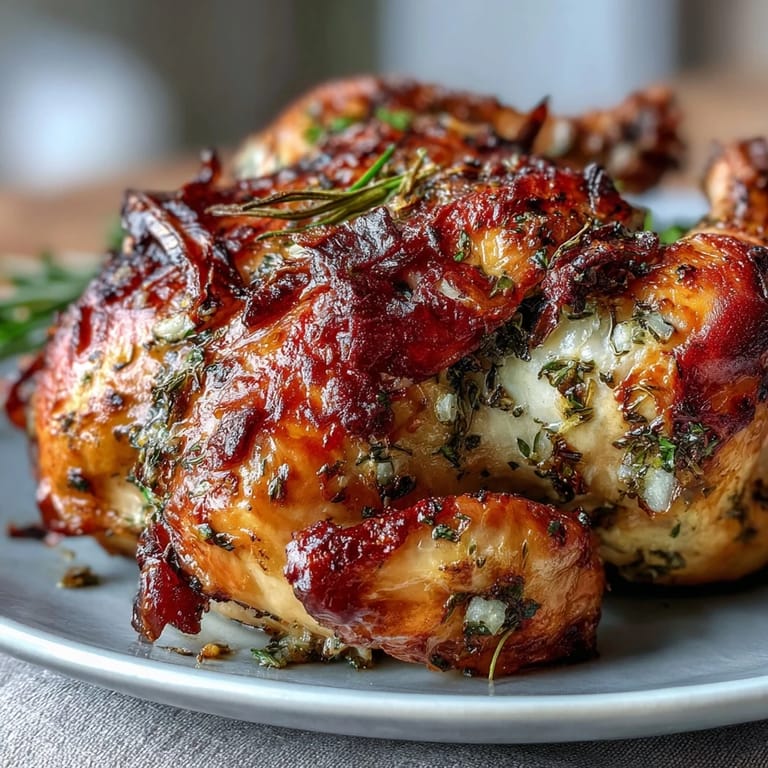
 The unmistakable sizzle of chicken skin against a roasting pan always signals something special is on the way. When I decided to try herb butter roast chicken with preserved lemon, my kitchen was filled with such an invigorating aroma that even my usually aloof cat circled near the oven, completely spellbound. There’s a rhythm to smoothing cool, fragrant butter beneath the skin that feels almost meditative, and the tang of preserved lemon brings a burst of brightness to each slice. It’s a recipe that instantly perks up a gloomy evening or lifts an ordinary Sunday into a small celebration. I still remember that odd sense of anticipation as the timer ticked down, wondering if the skin would really crisp as promised.
The first time I served this to friends, we huddled in the kitchen sharing glasses of white wine, snacking on carrot sticks meant for the pan, and sneaking peeks at the bubbling chicken. One friend still jokes that her favorite part is licking leftover herb butter off her fingers while carving. There was laughter when we fumbled tying the twine, but the end result vanished faster than any main course I’d made that year. I learned that the relaxed, joyful atmosphere makes the roast taste even better.
Ingredients
- Unsalted butter: Softened just enough to blend in the herbs easily—leaving it out ahead of time cuts down on mess.
- Fresh parsley, thyme, and rosemary: Chopping these herbs releases their oils, so use a very sharp knife for maximum aroma.
- Garlic cloves: Mince as fine as you can; big chunks can overpower, but a fine mince melts right in.
- Preserved lemon rind: Adds an unexpected zing—be sure to rinse and chop the rind small to avoid bitter pockets.
- Sea salt and black pepper: Season both butter and chicken deeply to ensure every bite pops.
- Whole chicken: A bird between 1.5 and 1.8 kg cooks evenly and stays juicy (patting it bone-dry is non-negotiable).
- Preserved lemon quarters, onion, and halved lemon (for the cavity): These aromatics infuse steam into the chicken for flavor from inside out.
- Olive oil: Drizzling this helps with browning and crispness.
- Fresh herb sprigs: Stuff generously for subtle flavor that emerges as the bird roasts.
- Carrots, celery, onion (for the roasting pan): The vegetables soak up juices, creating a built-in side dish and boosting pan sauce flavor.
- Dry white wine or chicken broth: Either ensures the base stays moist—deglaze the pan later for an easy sauce.
Tired of Takeout? 🥡
Get 10 meals you can make faster than delivery arrives. Seriously.
One email. No spam. Unsubscribe anytime.
Instructions
- Get the Oven Ready:
- Preheat your oven to 220°C (425°F) so the chicken gets a head start on crisping its skin right away.
- Blend the Herb Butter:
- Mix the softened butter, herbs, garlic, preserved lemon, salt, and pepper thoroughly with a fork in a small bowl—the scent should fill your kitchen instantly.
- Prepare the Chicken Skin:
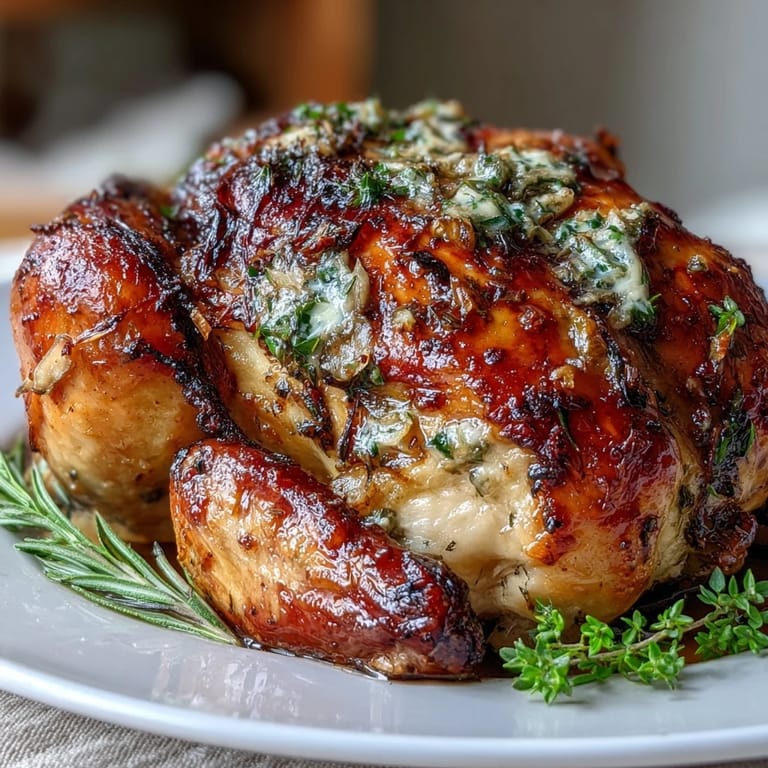
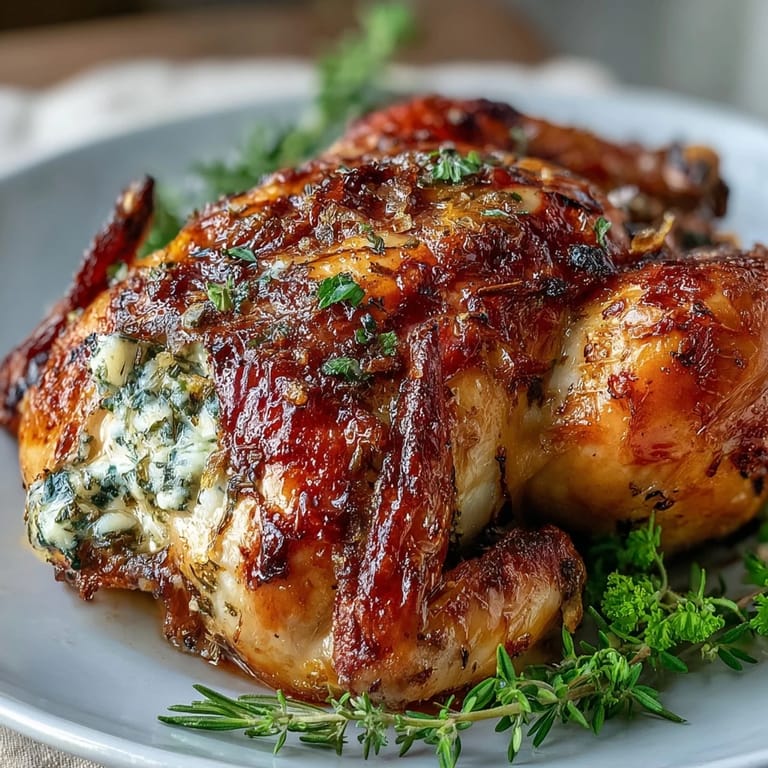
- Gently slip your fingers under the chicken skin, wiggling them over the breasts and thighs; spread two-thirds of the herb butter underneath, massaging in any extra bits you find.
- Stuff for Aromatics:
- Pack the chicken cavity with the preserved lemon quarters, onion, halved lemon, and a big handful of herb sprigs (don’t hold back—this step matters).
- Secure and Shape the Bird:
- Tie the legs with kitchen twine and fold the wings underneath so the shape holds and everything cooks just right.
- Create the Vegetable Bed:
- Scatter the carrots, celery, and onion across your roasting pan, then pour in the wine or broth to make a shallow, steamy bath.
- Season and Oil:
- Set the chicken breast-side up on the vegetables; drizzle with olive oil and season well with salt and pepper for a deep, even crust.
- Start Roasting:
- Roast for 20 minutes at high heat, then reduce temp to 180°C (350°F) and continue up to an hour, basting with pan juices so the skin stays shatteringly crisp.
- Rest and Serve:
- Tent the chicken loosely with foil for 15 minutes out of the oven before carving—resting locks in all those juices you worked so hard for.
 Save to Pinterest
 I remember one relaxed winter evening when this dish turned a regular meal into a small, boisterous gathering—everyone started picking at roasted vegetables straight from the pan before the chicken even made it to the table. There was laughter over perfectly carved slices, stories swapped over plates, and a general reluctance to let the last bits of herb buttered skin go uneaten. That’s when I realized, some recipes are destined for second helpings and lively memories alike.
What Makes Preserved Lemon So Magical
Preserved lemon is easily overlooked at the market, but once you try it in roast chicken, you’ll find yourself reaching for the jar often. Its tangy, slightly salty punch transforms the dish and leaves people guessing your secret ingredient. If you only have fresh lemon, the flavor will shift—still good, but lacking the depth preserved lemon imparts. I sometimes toss extra into the pan, then serve the roasted bits alongside. Even skeptics become fans after one tangy bite.
Building the Perfect Vegetable Bed
Layering carrots, celery, and onion beneath the chicken is more than a trick for flavor—it creates a savory cushion that turns leftover juices into instant side dishes. As they roast, these vegetables soak up buttery drippings and take on wonderful caramelized edges. Whenever I forget the wine (which has happened more than once), chicken broth steps in seamlessly. Each batch varies slightly based on what’s in the fridge. Sometimes I even toss in fennel for a subtle anise note.
Serving, Leftovers, and Little Extras
After carving, drizzle a bit of the pan juices over each serving—it makes the flavors pop and keeps everything gloriously moist. Day-after sandwiches made with the leftover chicken and a bit of herbed mayo have become a reason to look forward to leftovers in our house. If you’re planning ahead, refrigerate the herb butter overnight for a deeper flavor.
- If your skin isn’t browning, move the chicken up a rack for the last ten minutes.
- Pair with a bright salad or roasted potatoes for a complete meal.
- Don’t skip resting the chicken—juices redistribute and make carving much neater.
 Save to Pinterest
 I hope this roast brings the same delight to your table as it has to mine—after all, there’s nothing quite like the aroma of herb butter and lemon drifting through your kitchen. Here’s to golden skin, good company, and meals that linger a little longer.
Frequently Asked Questions
- → How do I get extra crispy skin?
Pat the bird very dry before applying the herb butter, use high initial oven heat (220°C) for 20 minutes, then finish at a lower temperature. Basting and a final blast of heat will also help crisp the skin.
- → Why put butter under the skin?
Rubbing herb butter beneath the skin delivers fat and aromatics directly to the meat, keeping it moist while infusing concentrated herb and garlic flavor without burning on the exterior.
- → Can I substitute preserved lemon?
Yes. If preserved lemon is unavailable, use finely grated fresh lemon zest plus a little extra salt and a touch of lemon juice to replicate the bright, tangy notes.
- → How do I know when the chicken is done?
Insert an instant-read thermometer into the thickest part of the thigh without touching bone; it should read 75°C. Let the bird rest 15 minutes to allow juices to redistribute before carving.
- → What can I use for the pan liquid?
Dry white wine or a gluten-free chicken broth both add steam and flavor. The liquid helps keep the vegetables moist and creates pan juices to spoon over the carved meat.
- → How should leftovers be stored and reheated?
Cool promptly, store in an airtight container in the fridge for up to 3 days. Reheat gently in a 160°C oven covered with foil, basting with pan juices or a little butter to retain moisture.