 Save to Pinterest
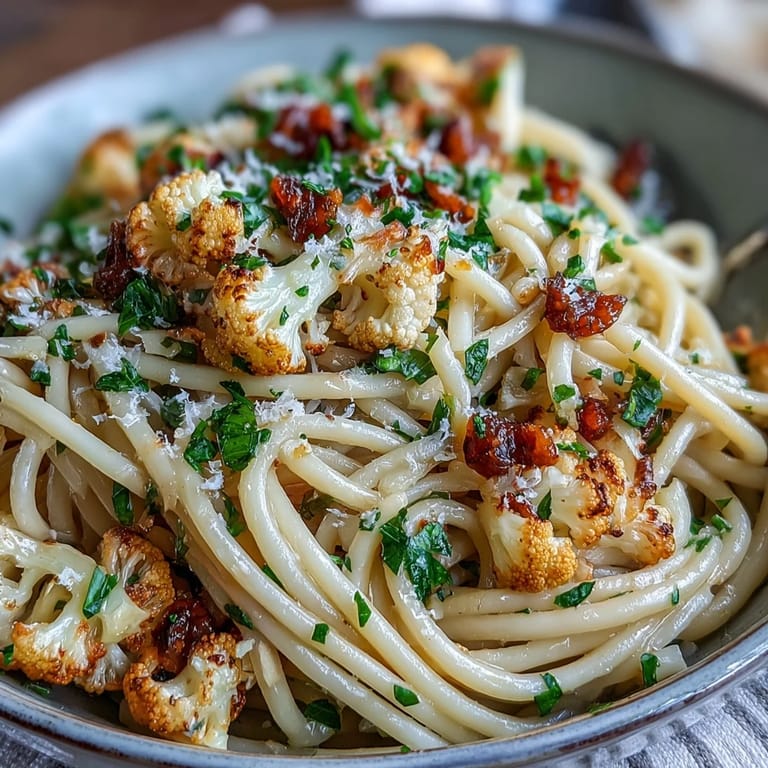
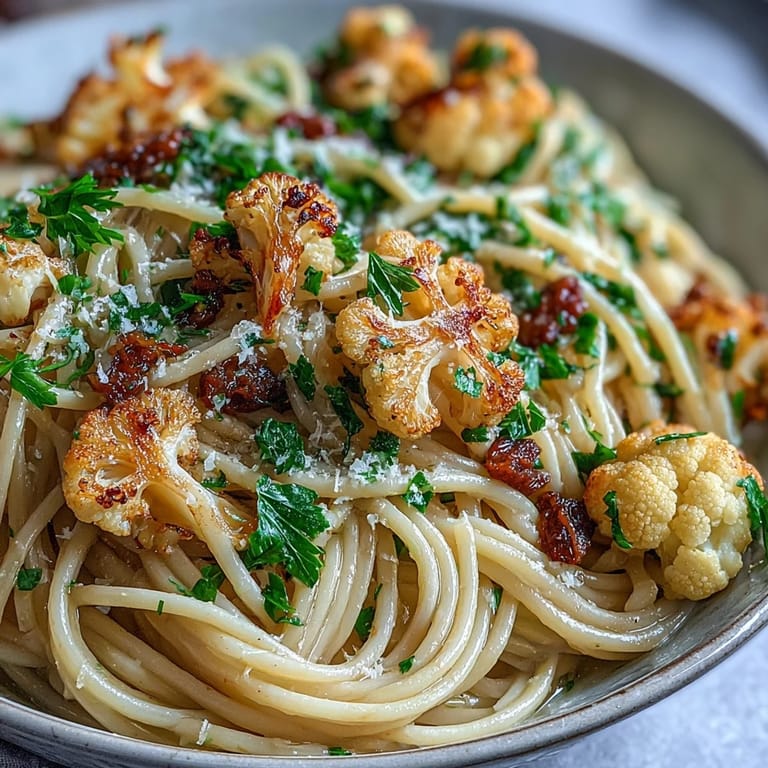
 I was cleaning out the pantry one rainy Thursday when I spotted a forgotten tin of anchovies wedged behind the lentils. Next to it, a bag of raisins I'd bought for baking but never opened. My fridge had half a cauliflower that needed using, and suddenly this odd trio felt like destiny. What emerged was a dish that tasted like coastal Italy collided with a Sicilian grandmother's cupboard, briny and sweet and utterly comforting.
The first time I served this to my neighbor, she looked skeptical when I mentioned anchovies and raisins in the same breath. But after one forkful, she went quiet in that way people do when food is doing the talking. She asked for the recipe before her plate was even empty, and now she makes it every other week. It's become our little culinary inside joke, proof that weird combinations sometimes work better than the safe ones.
Ingredients
- Whole wheat spaghetti: The nutty flavor stands up beautifully to the bold ingredients, and it holds onto the sauce better than regular pasta.
- Cauliflower florets: Roasting them transforms their personality completely, turning them sweet and almost meaty with golden, crispy edges.
- Garlic cloves: Slice them thin so they melt into the oil and perfume everything without overpowering the delicate balance.
- Red chili: Optional but worth it for a subtle warmth that creeps up on you after each bite.
- Flat-leaf parsley: The fresh, grassy notes cut through the richness and make the whole dish feel lighter.
- Anchovy fillets: They dissolve into the oil and create this deep umami base that's savory without being fishy.
- Raisins: Their concentrated sweetness is the surprise element that makes people ask what's in this.
- Capers: Briny little bursts that add sharpness and complexity to every forkful.
- Lemon zest: A fresh, bright finish that wakes up all the other flavors just before serving.
- Extra virgin olive oil: Use the good stuff here, it's the backbone that carries everything together.
- Salt and black pepper: Season boldly, especially the cauliflower before roasting.
Tired of Takeout? 🥡
Get 10 meals you can make faster than delivery arrives. Seriously.
One email. No spam. Unsubscribe anytime.
Instructions
- Roast the cauliflower:
- Preheat your oven to 220°C and toss the florets with olive oil, salt, and pepper until they glisten. Spread them on a baking sheet in a single layer and roast for 18 to 20 minutes, flipping halfway so they turn golden and tender with crispy, caramelized tips.
- Cook the pasta:
- Bring a large pot of well-salted water to a rolling boil and cook the spaghetti until it's just al dente. Before draining, scoop out half a cup of that starchy pasta water, it's liquid gold for bringing the sauce together.
- Build the flavor base:
- In a large skillet over medium heat, warm the remaining olive oil and add the garlic and chili, stirring for about a minute until fragrant. Toss in the anchovies and capers, breaking up the anchovies with your spoon until they melt into the oil like a savory, aromatic paste.
- Combine everything:
- Stir in the raisins and roasted cauliflower, letting them mingle for a moment before adding the drained spaghetti. Splash in some of that reserved pasta water and toss everything together, coating every strand with the glossy, flavorful oil.
- Finish and serve:
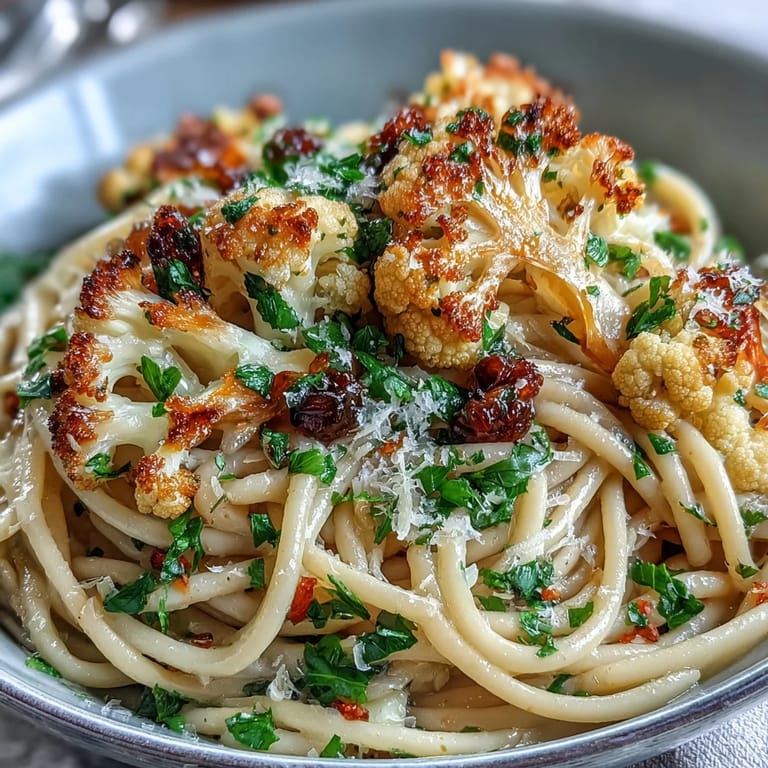
- Pull the skillet off the heat and add the lemon zest and chopped parsley, tossing one last time. Taste and adjust the seasoning, then serve immediately with an extra drizzle of olive oil and more parsley if you like.
 Save to Pinterest
 There's a moment when you toss the spaghetti into the skillet and everything comes together, the steam rising, the smell of garlic and lemon filling the kitchen. My daughter wandered in once during that exact moment and said it smelled like vacation. I didn't correct her, because somehow she was right. This dish feels like a little escape, even on a weeknight.
Choosing Your Ingredients
Quality matters here more than you'd think. A good anchovy fillet should taste clean and savory, not overly fishy or metallic. I've learned to seek out jarred anchovies packed in olive oil rather than the tinned ones in salt, they're softer and more flavorful. For raisins, the plump, moist kind work best, if yours are dry and hard, soak them in warm water for five minutes first. Fresh cauliflower with tight, creamy florets roasts far better than anything that's been sitting around too long.
Making It Your Own
This recipe is forgiving and loves improvisation. I've swapped in golden raisins when that's what I had, and the flavor turns a bit more delicate and floral. If you're not a fan of heat, leave out the chili entirely, the dish still sings. On nights when I want extra texture, I toast a handful of pine nuts or panko breadcrumbs in a dry pan until golden and scatter them on top just before serving. A handful of arugula tossed in at the end adds peppery freshness that feels almost fancy.
Storing and Reheating
Leftovers keep well in the fridge for up to two days, though the pasta will soak up some of the oil as it sits. When reheating, add a splash of water or olive oil to a skillet over medium heat and toss gently until warmed through. I actually love eating this cold the next day straight from the fridge, the flavors deepen overnight and it makes a surprisingly satisfying lunch.
- Store in an airtight container to keep the parsley from wilting too fast.
- Reheat gently to avoid turning the cauliflower mushy.
- If making ahead, toss the pasta with a little extra olive oil to prevent sticking.
 Save to Pinterest
 This dish taught me that the best meals often come from trusting your instincts and odd pairings. It's proof that a handful of humble ingredients can create something memorable when you let them play off each other.
Frequently Asked Questions
- → Can I substitute the anchovies with another ingredient?
While anchovies provide the essential umami depth, you can substitute with 2 tablespoons of anchovy paste or use sun-dried tomatoes for a vegetarian version, though the flavor profile will differ.
- → How do I prevent the cauliflower from becoming mushy?
Ensure your oven is fully preheated to 220°C and spread the florets in a single layer on the baking sheet without overcrowding. This allows proper caramelization and maintains texture.
- → What type of raisins work best in this dish?
Golden raisins or regular dark raisins both work beautifully. You can also use currants or chopped dried apricots for a different sweet element that complements the savory anchovies.
- → Can I make this dish ahead of time?
This pasta is best enjoyed fresh, but you can roast the cauliflower up to 2 days ahead and store it refrigerated. Cook the pasta and combine everything just before serving for optimal texture.
- → What wine pairs well with this pasta?
A crisp, dry white wine like Verdicchio, Pinot Grigio, or Sauvignon Blanc complements the salty anchovies and sweet raisins perfectly, cutting through the richness while enhancing the Mediterranean flavors.
- → How can I add more protein to this dish?
Add grilled shrimp, flaked tuna, or white beans during the final tossing step. Toasted pine nuts also provide additional protein along with a pleasant crunch.