 Save to Pinterest
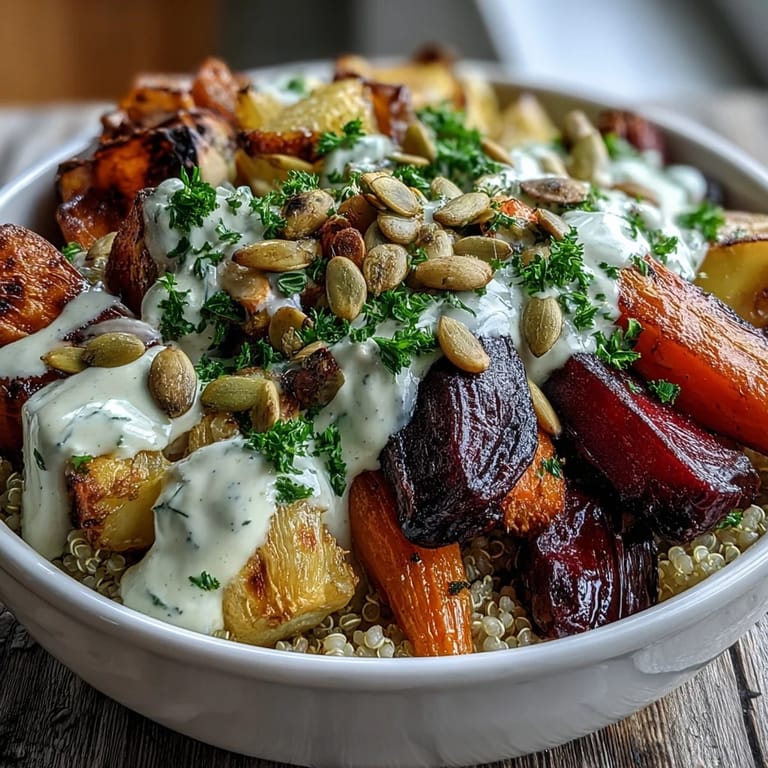
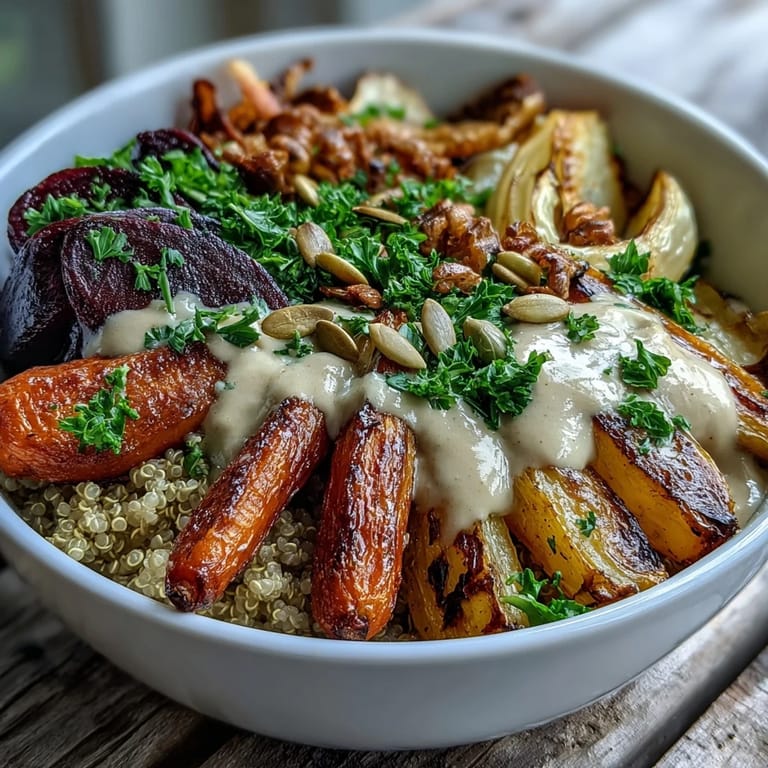
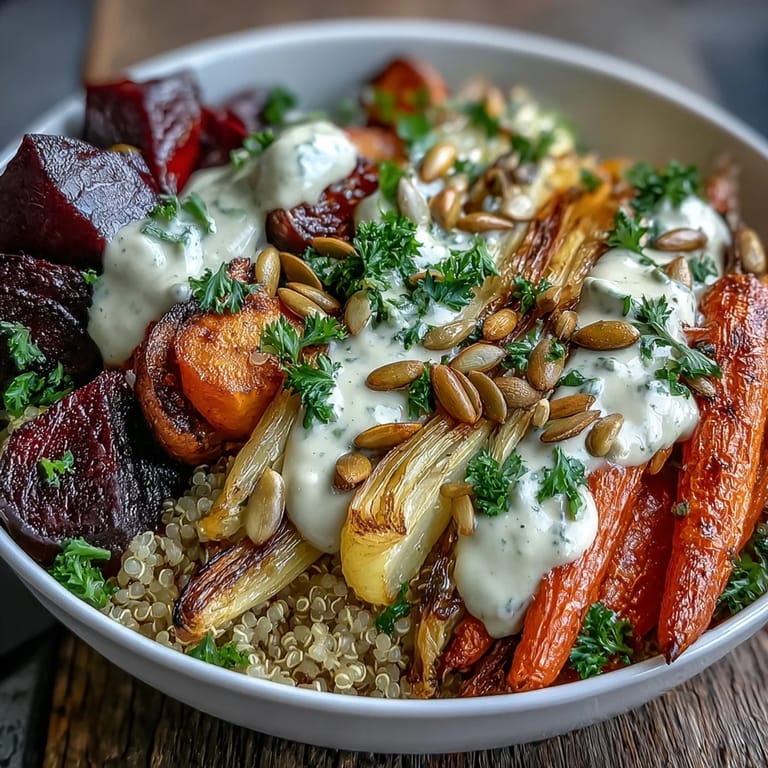
 There's something about roasting root vegetables that turns a quiet weeknight into something special—the way your kitchen fills with this deep, caramelized smell that makes you forget you're eating something incredibly healthy. I discovered this bowl on a chilly autumn evening when I had a crisper drawer full of vegetables and absolutely no inspiration, but somehow combining them with fluffy quinoa and a silky tahini drizzle created something I've made at least twice a week ever since. The colors alone—those jewel-toned beets next to golden carrots—make you want to photograph your lunch before eating it. What really won me over was how the roasting process caramelizes the natural sugars, turning these humble vegetables into something almost sweet and deeply satisfying. It's become my go-to bowl whenever I need to feel grounded.
I'll never forget making this for my sister's surprise lunch visit—she showed up unannounced on a random Tuesday, and I had maybe thirty minutes to pull something together that didn't feel rushed. I roasted whatever root vegetables I had, threw together the quinoa, whisked up that tahini sauce while she sat at the kitchen counter talking about her week, and when I set the bowls down, she went completely quiet for a moment. That's when I knew it wasn't just about the flavors coming together; it was about creating something that felt intentional and generous, even on short notice.
Ingredients
- Carrots: Choose ones that feel firm and smooth—the older, woodier ones won't caramelize as beautifully, so I always pick the youngest looking ones I can find.
- Beets: These are the show-stoppers that stain everything, but that deep color means they're full of earthy sweetness when roasted; don't skip them just because they're messy to peel.
- Turnips and parsnips: The turnips add a subtle sweetness while parsnips become almost buttery when roasted—together they create a complexity that single vegetables can't achieve alone.
- Olive oil: This is the medium that transforms everything, so use good oil you actually enjoy tasting; cheap oil makes the whole bowl taste cheaper.
- Dried thyme or rosemary: These herbs whisper in the background rather than shout, which keeps the focus on the vegetables themselves.
- Quinoa, rinsed: Rinsing is non-negotiable—it removes that bitter coating and makes a real difference in the final texture and taste.
- Tahini: This creamy base is what ties everything together; store-bought is fine, but make sure it's fresh because old tahini can taste slightly rancid.
- Lemon juice: The acid cuts through the richness of tahini and wakes up the entire bowl with brightness.
- Garlic, minced: A single clove is all you need—too much overpowers the delicate balance, so resist the urge to add more.
- Fresh parsley: The fresh herb at the end adds a peppery lift that makes you want another bite.
- Toasted seeds: These add the textural contrast that makes eating interesting; if you skip them, the bowl feels softer and less complete.
Tired of Takeout? 🥡
Get 10 meals you can make faster than delivery arrives. Seriously.
One email. No spam. Unsubscribe anytime.
Instructions
- Prep and preheat your oven:
- Get your oven warming to 425°F and line a large baking sheet with parchment paper—this prevents sticking and makes cleanup a breeze. I learned this the hard way after scrubbing a charred pan for twenty minutes.
- Cut and toss the vegetables:
- Cut everything into roughly 1-inch pieces so they roast evenly; if some pieces are much larger than others, they'll finish cooking at different times and you'll end up with some mushy bits. Toss them in a bowl with olive oil, salt, pepper, and your herbs until every piece glistens.
- Spread them out and let them roast:
- A single layer is crucial—crowding the pan creates steam instead of caramelization, which is the entire point. Stir them around halfway through so they brown on all sides, and you'll know they're done when the edges are deeply golden and they're tender when pierced with a fork.
- Cook the quinoa while vegetables roast:
- Combine rinsed quinoa, water or broth, and salt in a saucepan and bring to a boil, then lower the heat, cover, and let it simmer gently for fifteen minutes. The standing time is important—it lets the grains fully absorb the liquid and become fluffy rather than mushy.
- Make the tahini sauce with no lumps:
- Whisk tahini with lemon juice and water until it's smooth and drizzleable; if it's too thick, add water one tablespoon at a time until you reach the consistency you like. The garlic, salt, and optional maple syrup complete the picture with a hint of warmth and subtle sweetness.
- Assemble and serve:
- Divide the fluffy quinoa among bowls, pile the roasted vegetables on top, and drizzle generously with tahini sauce. Finish with a scatter of fresh parsley and toasted seeds for color and crunch.
 Save to Pinterest
 What strikes me most about this bowl is how it became the dish I make when I want to feel like I'm taking care of myself, or when someone I love needs feeding and I want them to know they matter. There's no pretension in it, just honest ingredients treated with respect and time.
Variations and Swaps That Work
The beauty of this bowl is how adaptable it is without losing its soul—I've roasted sweet potatoes instead of regular carrots when I wanted something sweeter, and added rutabaga for an almost nutty depth that surprised me. Winter squash like butternut works wonderfully too, though it needs slightly less time since it's softer. The framework stays the same: roasted vegetables, a grain base, a creamy sauce, and something fresh at the end.
Making It More Substantial
If you're feeding someone who needs more protein or you're making this the main event rather than a side, there are easy additions that don't complicate things. Chickpeas roasted alongside the vegetables absorb all those caramelized flavors and add heartiness, or you can top the finished bowl with a poached egg and watch the yolk become a luxurious sauce of its own. I've also crumbled crispy tofu over the top, which absorbs that tahini drizzle beautifully.
Storage and Meal Prep Wisdom
This bowl is genuinely better when you've thought ahead—roasting vegetables on a Sunday means you can assemble a fresh bowl in five minutes any weeknight when energy is low but standards are high. The roasted vegetables keep in an airtight container for about four days, the quinoa lasts similarly, and the tahini sauce is best made fresh but will hold for a couple days if you need it to. The only thing I don't recommend pre-assembling is the whole bowl; the vegetables soften slightly from the moisture of the tahini, and you lose that appealing textural contrast.
- Roast extra vegetables on purpose—they're equally good cold in a salad or stirred into grain bowls throughout the week.
- Make tahini sauce fresh the day you eat it for maximum brightness, but don't stress if you need to make it ahead; just stir in a splash more water before serving.
- Toast your seeds fresh if you can—they taste immeasurably better than ones that have been sitting in a container for weeks.
 Save to Pinterest
 This bowl has become my answer to the question of what to cook when I want something that feels both nourishing and deeply satisfying. Make it once and you'll understand why it keeps calling you back to the kitchen.
Frequently Asked Questions
- → Can I prepare the vegetables ahead of time?
Yes, you can peel and chop the root vegetables up to 2 days in advance. Store them in an airtight container in the refrigerator with a damp paper towel to maintain freshness.
- → What other root vegetables work well in this bowl?
Sweet potatoes, rutabaga, or butternut squash make excellent additions. You can also add red onions or whole garlic cloves for extra depth of flavor during roasting.
- → How do I store leftovers?
Keep components separate in airtight containers for up to 4 days. Store quinoa and roasted vegetables in the refrigerator, and keep the tahini sauce in a separate jar. Reheat vegetables gently and add fresh sauce before serving.
- → Can I make this bowl protein-rich?
Absolutely. Add roasted chickpeas, crispy tofu cubes, or a poached egg on top. You could also serve alongside grilled chicken or mix in cooked lentils with the quinoa.
- → My tahini sauce is too thick — what should I do?
Simply whisk in additional warm water, one tablespoon at a time, until you reach your desired consistency. The sauce should be pourable but thick enough to coat the vegetables nicely.