 Save to Pinterest
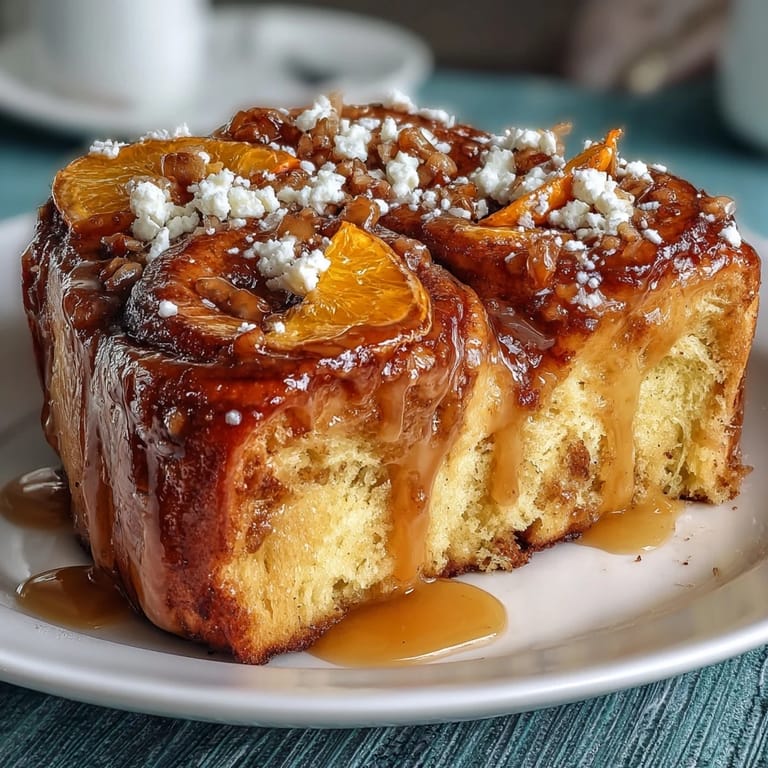
 My kitchen smelled like a citrus grove the morning I first attempted these orange rolls, and I realized halfway through kneading that I'd grabbed fresh orange juice instead of zest for the dough. Rather than start over, I leaned into it, and somehow that happy accident created the most tender, impossibly fluffy rolls I'd ever made. Now I do it on purpose. These soft pillows of dough, swirled with bright orange sugar and crowned with tangy cream cheese frosting, have become my answer to every brunch invitation and weekend breakfast craving.
I brought a batch to my book club last spring, and someone asked if I'd bought them from a fancy bakery. That moment—watching people reach for seconds and ask for the recipe—was when I knew these rolls had crossed from good to something that actually mattered to my cooking. They've shown up on Easter mornings, Mother's Day brunches, and even as a peace offering when I missed dinner at my sister's house.
Ingredients
- All-purpose flour (3 1/4 cups): The foundation that needs to be measured by weight for consistency; too much makes dense rolls, so use a light hand when adding extra.
- Active dry yeast (2 1/4 tsp): Make sure it's fresh by checking the expiration date; dead yeast is the number one reason rolls don't rise, and there's no fixing it mid-bake.
- Whole milk and fresh orange juice (1/2 cup and 1/4 cup): The liquid pairing that creates tender crumb and subtle citrus notes throughout; don't skip the orange juice for another liquid.
- Orange zest (3 tbsp total across dough and filling): The real star that separates these from basic rolls; use a microplane zester to get fine, flavorful zest without the bitter white pith.
- Unsalted butter (5/8 cup total): Keep it soft for spreading and melted for mixing; temperature matters more than you'd think with yeast doughs.
- Eggs (2 large): Room temperature eggs incorporate smoothly and create richness without deflating the dough structure.
- Cream cheese (4 oz): The frosting wouldn't be nearly as good without this tangy balance; let it soften completely or you'll end up with lumps no amount of beating fixes.
- Powdered sugar (1 1/4 cups): Sift it first if it's been sitting in the pantry, or you'll taste little gritty pockets in your frosting.
Tired of Takeout? 🥡
Get 10 meals you can make faster than delivery arrives. Seriously.
One email. No spam. Unsubscribe anytime.
Instructions
- Wake up the yeast:
- Combine warm milk, orange juice, and sugar in a bowl, then sprinkle yeast over top and let it sit 5-10 minutes until it smells alive and foamy on the surface. If nothing happens after 10 minutes, your yeast is dead and you need to start over.
- Build the dough:
- Stir in melted butter, orange zest, eggs, and salt until everything is incorporated, then gradually add flour while mixing until a soft, slightly sticky dough comes together. Knead for 8-10 minutes by hand or machine, adding just a touch more flour if it's too tacky to handle without sticking to your fingers.
- Let it rise:
- Shape the dough into a ball, place it in a greased bowl, cover loosely with plastic wrap or a damp towel, and set it in a warm spot (your oven with the light on works perfectly) for about an hour until it's doubled in size. You'll know it's ready when a gentle poke springs back slowly, leaving a slight indent.
- Prepare the orange sugar filling:
- Mix granulated sugar with fresh orange zest and let it sit for a minute so the zest releases its oils and the mixture becomes fragrant and golden. This step is worth not rushing because the oils are what make the filling taste like real orange, not artificial flavoring.
- Shape the rolls:
- Punch down the dough with enthusiasm, then roll it out on a lightly floured surface into a 16x10 inch rectangle, trying to keep the edges even so every roll bakes at the same rate. Spread softened butter over the entire surface, then sprinkle the orange sugar mixture evenly across it.
- Roll and cut:
- Starting from the long side, roll the dough tightly into a log, then use a sharp knife or floss (floss really does work better than a knife here) to cut it into 12 equal pieces. If you're using floss, drag it underneath each roll and pull the ends up and together rather than sawing back and forth.
- Second rise:
- Arrange the rolls cut-side up in a greased 9x13 inch baking dish, cover them loosely, and let them rise again for 30-40 minutes until they're puffy and touching each other slightly. They should look noticeably bigger but still hold a slight indent when you gently poke them.
- Bake:
- Preheat your oven to 350°F and bake the rolls for 22-25 minutes until the tops are golden brown and a toothpick inserted in the center comes out with just a few moist crumbs. Don't overbake or the edges will dry out.
- Make the frosting:
- While the rolls bake, beat softened cream cheese and butter together until completely smooth, then add powdered sugar, orange juice, zest, vanilla, and salt, beating until the frosting is creamy and spreadable. If it seems too thick, add another splash of orange juice; too thin, add a bit more powdered sugar.
- Frost and serve:
- Let the rolls cool for exactly 10 minutes so the frosting doesn't melt into puddles, then spread it generously over the warm rolls, letting it pool into the swirls. Eat them immediately while the rolls are still warm and the frosting is at its creamiest.
 Save to Pinterest
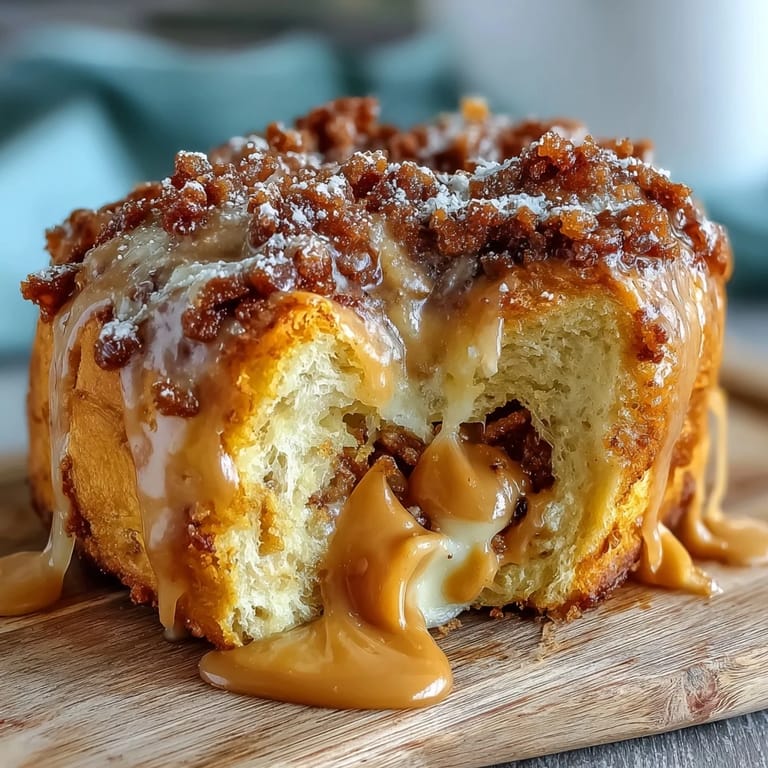
 There's something about watching someone's face when they bite into one of these rolls, when the orange frosting hits their tongue and they pause for a second before asking "what is that flavor?" That moment of recognition is why I keep making them, even though the kitchen cleanup is admittedly a mess of orange zest and butter smudges.
The Citrus Factor
Orange rolls exist in this interesting space where the citrus can either feel fresh and sophisticated or taste like you bit into an artificial candy. The difference comes down to respecting the fruit itself rather than trying to hide behind extracts and added sugar. I learned this by making a batch with orange extract instead of fresh zest, and the results tasted like a cough drop rather than breakfast. Now I treat the orange as the main character, not a supporting actor.
Make-Ahead Magic
The best thing about this recipe is how forgiving it is with timing. I shape the rolls, cover them tightly with plastic wrap, and refrigerate them overnight, which actually improves the flavor because the dough develops slowly and the orange zest has more time to infuse everything. In the morning, I pull them out, let them rise at room temperature for about an hour while I drink coffee and pretend I have my life together, then bake. It's the closest thing to a cheat code for seeming like you woke up at dawn to make pastries.
Pairing and Serving Thoughts
These rolls are at their absolute best with something slightly savory or herbal to balance the sweetness, which is why Earl Grey tea became my drink of choice. The bergamot in the tea echoes the orange in the rolls without being repetitive, and it cuts through the richness of the cream cheese frosting in a way that coffee sometimes doesn't. I've also served them alongside a simple green salad with lemon vinaigrette, which sounds weird but somehow works when you're doing a brunch spread.
- Fresh-squeezed orange juice is technically the obvious pairing, but honestly a sparkling water with a splash of something fruity lets you taste the rolls without competing flavors.
- These rolls hold up beautifully at room temperature for a few hours, so they're perfect for traveling to a potluck or breakfast gathering.
- Any leftovers (if you even have them) can be gently reheated in a low oven for 10 minutes to bring back that fresh-from-the-pan texture.
 Save to Pinterest
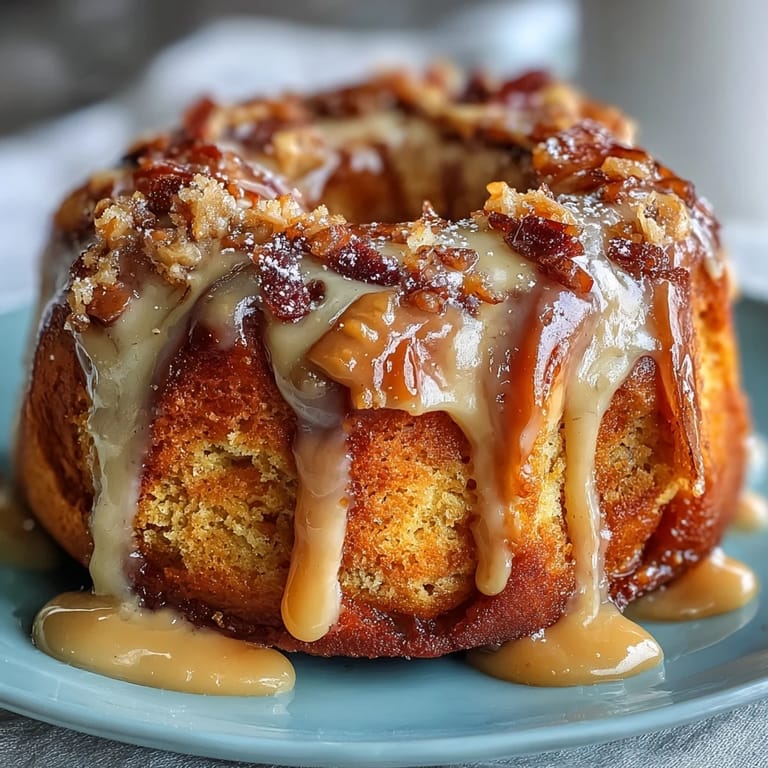
 These orange rolls have become one of those recipes that people ask me to make, not because they're complicated, but because they feel special and taste bright. Once you nail the technique, you can make them in your sleep and still impress everyone around your table.
Frequently Asked Questions
- → How do I make the dough soft and fluffy?
Use warm milk and proper kneading to develop gluten structure. Allow the dough to rise twice until doubled in size for a light, airy texture.
- → Can I prepare the rolls ahead of time?
Yes, after shaping, cover and refrigerate overnight. Let them rise at room temperature before baking for fresh results.
- → What gives the rolls their orange flavor?
Fresh orange zest and juice in both the dough and filling combine to create a vibrant citrus aroma and taste.
- → How is the frosting made creamy and flavorful?
The frosting combines cream cheese, butter, powdered sugar, fresh orange juice, and zest, whipped until smooth and tangy.
- → What are suggested pairings with these rolls?
They pair wonderfully with Earl Grey tea or a glass of fresh orange juice, complementing the citrus notes.