 Save to Pinterest
 My sister called me that Sunday morning asking if I could bring something to her brunch, and all I could think about was the smell of fresh lemon zest hitting a warm bowl of flour. There's something about spring that makes you crave brightness in everything, especially baked goods, so I decided on these lemon poppy seed muffins—the kind that look humble but taste like someone spent hours perfecting them when really they took less than forty minutes. The first time I made them, I was skeptical about how much lemon was enough, but the moment I bit into one still warm from the oven, the tartness and sweetness balanced so perfectly that I knew I'd found something special.
I brought a warm box to her place that morning, and my nephew practically inhaled two muffins before anyone else got one—he's the kind of kid who usually picks at pastries, so that felt like a win. The way the glaze dripped down the sides while everyone was still in their pajamas, gathered around the kitchen island with coffee, reminded me that the best recipes are the ones that bring people to the table even before they realize how hungry they are.
Ingredients
- All-purpose flour (2 cups): This is your base, and using it straight from the bag (no sifting needed) keeps things simple while still giving you tender crumbs.
- Granulated sugar (3/4 cup): The sweetness here balances the tartness of all that lemon, so don't be tempted to cut back unless you really prefer sour baked goods.
- Poppy seeds (2 tbsp): These tiny seeds are the secret ingredient people always ask about—they add visual interest and a delicate crunch that makes the muffin feel more refined than it actually is.
- Baking powder and baking soda (1 1/2 tsp and 1/2 tsp): Both work together here, not as a mistake but on purpose, to give you a tender crumb that's not dense or gummy.
- Salt (1/2 tsp): Don't skip this—it makes the lemon flavor pop and keeps things from tasting one-dimensional.
- Eggs (2 large, room temperature): Cold eggs won't incorporate properly, so pull them out of the fridge about fifteen minutes before you start mixing.
- Milk or buttermilk (3/4 cup): Buttermilk adds tanginess that plays beautifully with the lemon, but whole milk works just fine if that's what you have.
- Unsalted butter, melted (1/2 cup): Melting it first means it incorporates evenly into the batter, and letting it cool slightly prevents it from cooking the eggs.
- Fresh lemon juice (1/4 cup from about 2 lemons): Bottled juice works in a pinch, but fresh squeezed makes such a noticeable difference in brightness that it's worth hunting down actual lemons.
- Lemon zest (from 2 lemons): This is where so much flavor lives—use a microplane and you'll get the most fragrant, tender zest that distributes beautifully throughout the batter.
- Vanilla extract (1 tsp): Just enough to round out the flavors without making them taste like vanilla cake.
- Powdered sugar (1 cup for glaze): This creates that glossy coating that catches the light when you serve them, plus it dissolves smoothly with lemon juice.
- Fresh lemon juice for glaze (2-3 tbsp): Add it slowly so you get that thick, pourable consistency that clings to the muffin without running off the sides.
Tired of Takeout? 🥡
Get 10 meals you can make faster than delivery arrives. Seriously.
One email. No spam. Unsubscribe anytime.
Instructions
- Heat your oven and prep your tin:
- Set the oven to 375°F and line your muffin tin with paper liners or give it a quick grease—cold batter goes into a warm oven, so don't wait too long after preheating.
- Whisk the dry team together:
- In a large bowl, combine flour, sugar, poppy seeds, baking powder, baking soda, and salt with a whisk, making sure everything is evenly distributed so you don't have pockets of baking soda hiding in your muffins.
- Build the wet mixture:
- In another bowl, whisk eggs, milk, cooled melted butter, fresh lemon juice, lemon zest, and vanilla until the whole thing looks combined and slightly pale. This is where the magic starts—you'll actually smell that bright lemon aroma rising up from the bowl.
- The gentle marriage of wet and dry:
- Pour the wet ingredients into the dry bowl and stir with a spatula only until you don't see any white streaks of flour anymore—overmixing here is what turns muffins tough and heavy, so resist the urge to be thorough. A few small lumps are your friends.
- Fill your muffin cups:
- Divide batter evenly, aiming for about 3/4 full so the tops can puff up nicely without spilling over, and if you're neurotic like me, a small ice cream scoop ensures they're all the same size and bake evenly.
- Bake until golden:
- At 16 to 18 minutes, insert a toothpick into the center of the biggest-looking muffin—it should come out clean or with just a few crumbs clinging to it, not wet batter. They'll look slightly under-done to you, but that's how you keep them tender.
- Cool with patience:
- Let them sit in the tin for five minutes so they firm up enough to handle, then move them to a wire rack where air can circulate around them. Don't skip this step or the bottoms will steam and get soggy.
- Make the glaze that ties it all together:
- In a small bowl, whisk powdered sugar with lemon juice a tablespoon at a time until you reach that thick but pourable consistency—it should slowly drip off a spoon, not be stiff like frosting. Stir in optional zest if you want those little flecks of brightness.
- The final touch:
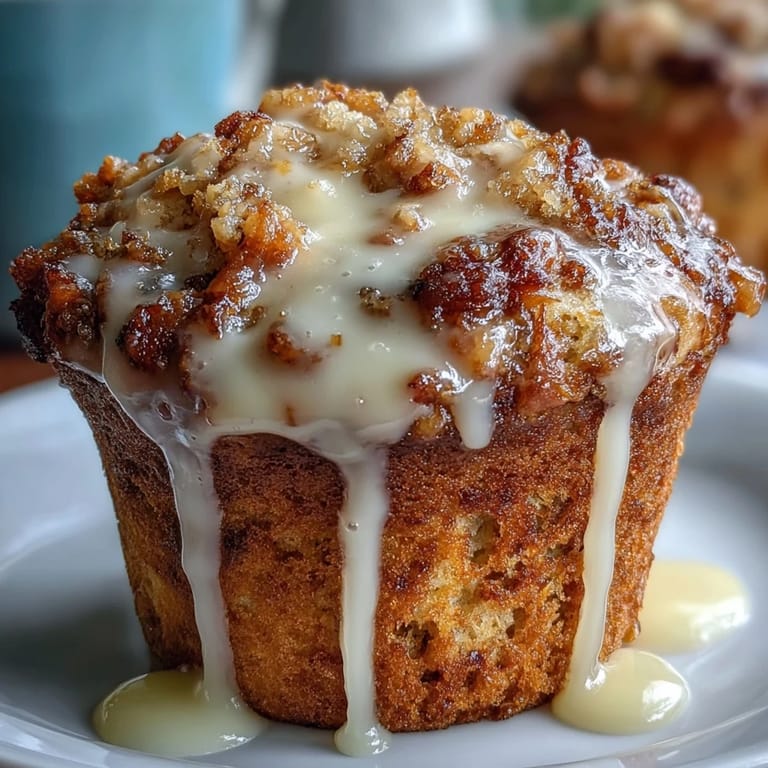
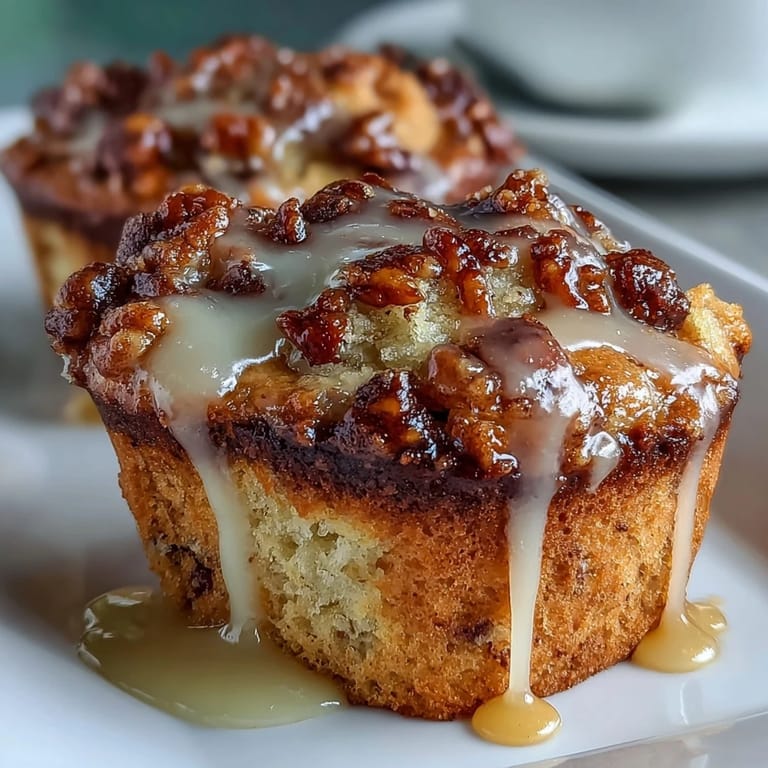
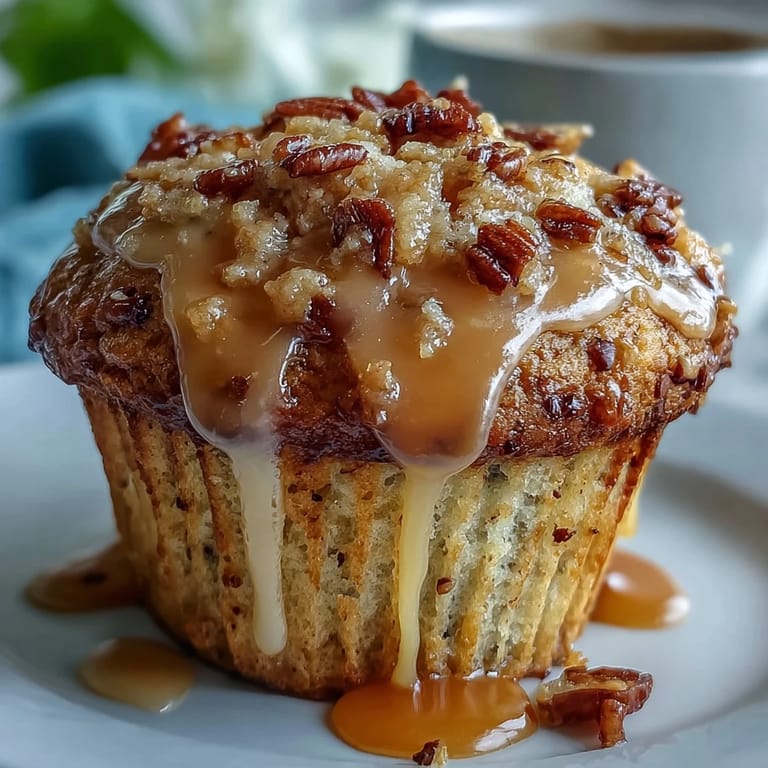
- Drizzle glaze over completely cooled muffins in a way that looks intentional but not fussy, then let it set for ten minutes so it firms up slightly and stays put on your plate instead of running everywhere.
 Save to Pinterest
 There was something so grounding about that afternoon gathering, watching people bite into something I'd made with my own hands and seeing their faces light up at the first taste of that lemony glaze hitting their tongue. That's when I realized these muffins weren't really about impressing anyone—they were about sharing something warm and bright that made the day feel a little more special than it had an hour before.
Lemon Selection and Zesting Matters
Not all lemons are created equal, and I've learned this through various kitchen disasters involving waxy supermarket lemons that give you almost no juice. Look for lemons that feel heavy for their size and have thin, smooth skin—they'll have more juice inside and the zest will be more fragrant. A microplane zester is genuinely worth owning if you eat citrus with any regularity, because it creates those delicate little strands instead of chunky pieces that sometimes catch between your teeth. Roll the lemon on the counter with a little pressure before cutting to help release the oils and coax out more juice, which sounds ridiculous but actually works.
The Science of Poppy Seeds
Poppy seeds have this magical quality where they sink slightly into the batter as it bakes, creating little pockets of texture throughout instead of just settling at the bottom. They also absorb moisture, which means they actually help keep the muffins tender longer by distributing liquid evenly. Some people worry about the whole 'poppy seeds can show up on drug tests' thing, but you'd need to eat an absolutely insane amount of them for that to be remotely relevant, so just enjoy them. The crunch they provide is honestly what elevates this from a basic lemon muffin to something that feels a little more intentional and thoughtful.
Storing and Serving Ideas
These muffins stay soft and lovely at room temperature in an airtight container for up to two days, and honestly, the flavor deepens a little as they sit so they're almost better the day after. I've also had good luck freezing them for up to three weeks—just thaw them at room temperature and they come back to life like nothing happened. They pair beautifully with something hot in the morning like Earl Grey tea or something cold and bubbly like a mimosa, but they're equally happy alongside just a simple cup of coffee and some quiet time before the day gets loud.
- Make them ahead for a stress-free brunch: These actually improve after sitting overnight, so bake them the day before and just add the glaze the morning of.
- Freeze the unfrosted muffins and glaze fresh when needed: This way you can have warm, freshly glazed muffins whenever the craving hits without starting from scratch.
- Double the batch because they disappear faster than you'd expect: I always think twelve will be plenty and somehow they're gone by the next afternoon.
 Save to Pinterest
 These muffins have become my go-to solution whenever I need to show up somewhere with something that tastes like care but doesn't require me to wake up at dawn. They're the kind of recipe that rewards you for taking your time but doesn't demand perfection, which honestly is my favorite kind of cooking.
Frequently Asked Questions
- → What makes these muffins bright and zesty?
The fresh lemon juice and zest bring vibrant citrus notes that brighten the flavor, balanced by the sweet glaze on top.
- → How do poppy seeds affect the texture?
Poppy seeds add a subtle crunch that contrasts pleasantly with the soft muffin crumb, enhancing each bite.
- → Can I use buttermilk instead of milk?
Yes, buttermilk adds a slight tang and helps keep the muffins moist and tender.
- → What’s the best way to avoid overmixing the batter?
Fold the wet ingredients into the dry just until combined; a few lumps are fine to maintain a tender texture.
- → How long should I let the glaze set?
Let the glaze set about 10 minutes after drizzling for a smooth yet slightly firm finish.