 Save to Pinterest
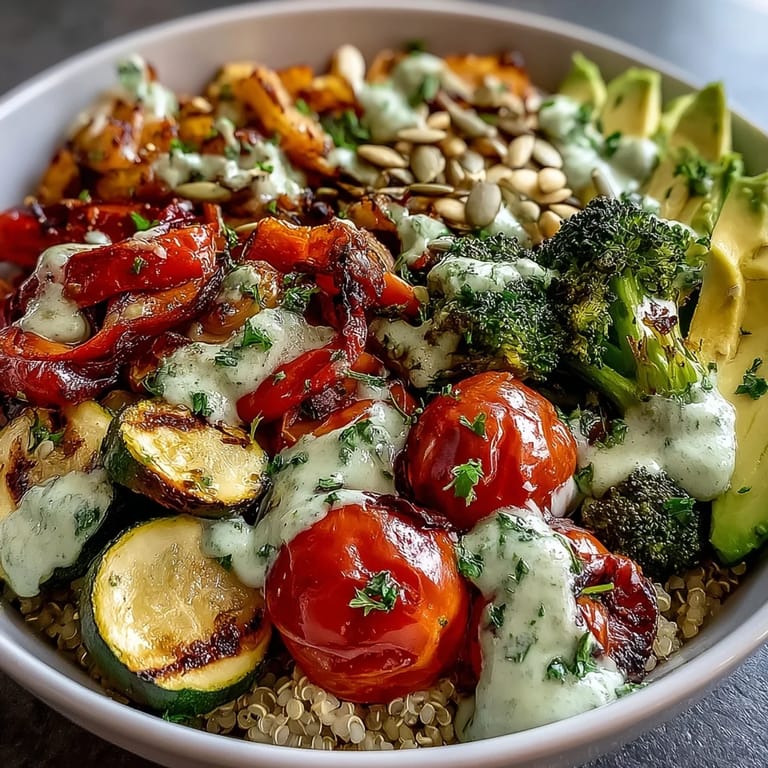
 There's something magical about assembling a bowl that looks like a still life painting, all those colors and textures coming together without any fuss. I discovered this approach to lunch almost by accident, when I had a random assortment of roasted vegetables and canned beans staring at me from the pantry one Tuesday afternoon. Instead of turning them into soup or side dishes, I layered them over some warm quinoa, drizzled tahini sauce over everything, and suddenly I was eating better than I had all week. It's become my go-to when I want something that feels special but doesn't demand hours in the kitchen.
My friend Maria came over complaining about being stuck in a snack cycle, and I made her four of these bowls for lunch. She sat at my kitchen counter picking through the roasted broccoli, sneaking avocado slices, asking why this felt like such a treat when it was vegetables and beans. That's when I realized this bowl had quietly become the thing I make when I want to feel nourished without overthinking it, and apparently it works for other people too.
Ingredients
- Quinoa, brown rice, or farro: Pick whichever grain calls to you that day, each one bringing its own texture and subtle flavor to the bowl foundation.
- Vegetable broth: It adds more depth than water, though water works fine if that's what you have on hand.
- Cooked chickpeas and lentils: The protein powerhouses that make this meal actually stick with you instead of leaving you hungry an hour later.
- Bell pepper, zucchini, onion, cherry tomatoes, broccoli: These are just suggestions, really, swap in whatever vegetables are looking good at the market or sitting in your crisper drawer.
- Smoked paprika and cumin: The spices that wake up the roasted vegetables and make them taste like they've had actual thought put into them.
- Olive oil: Enough to coat the vegetables so they caramelize instead of steam, which makes all the difference between ordinary and delicious.
- Tahini: The secret ingredient that ties everything together into a proper meal instead of just a pile of separate things.
- Fresh parsley, avocado, pumpkin seeds: These garnishes add a final layer of freshness, creaminess, and crunch that your palate will thank you for.
Tired of Takeout? 🥡
Get 10 meals you can make faster than delivery arrives. Seriously.
One email. No spam. Unsubscribe anytime.
Instructions
- Get your oven ready:
- Heat it to 425°F so it's genuinely hot by the time you need it, which speeds everything along and helps those vegetables get properly caramelized.
- Start your grains:
- Bring salted water or broth to a boil in a medium saucepan, add your chosen grain, then turn the heat down low and let it simmer undisturbed until tender and fluffy. Timing varies by grain, so pay attention rather than wandering away.
- Prep the vegetables:
- Dice and slice everything into reasonably sized pieces, toss them in a large bowl with olive oil and your spices, then spread them out on a baking sheet in a single layer so they actually roast instead of steaming. This is where you get those slightly charred edges that make everything taste better.
- Roast until golden:
- About 20 to 25 minutes in the oven, stirring halfway through so the pieces cook evenly. You'll know it's right when the vegetables have softened and picked up some golden-brown color at the edges.
- Warm the legumes:
- If you want them heated through rather than cold from the can, toss them in a small pan with a splash of olive oil and seasoning for just a couple of minutes. This is entirely optional but gives them a nicer texture.
- Make your tahini sauce:
- Whisk together tahini, lemon juice, minced garlic, and salt in a bowl, adding water a splash at a time until it reaches a drizzle consistency that flows but still coats a spoon. Taste it and adjust the salt and lemon to your preference.
- Assemble your bowls:
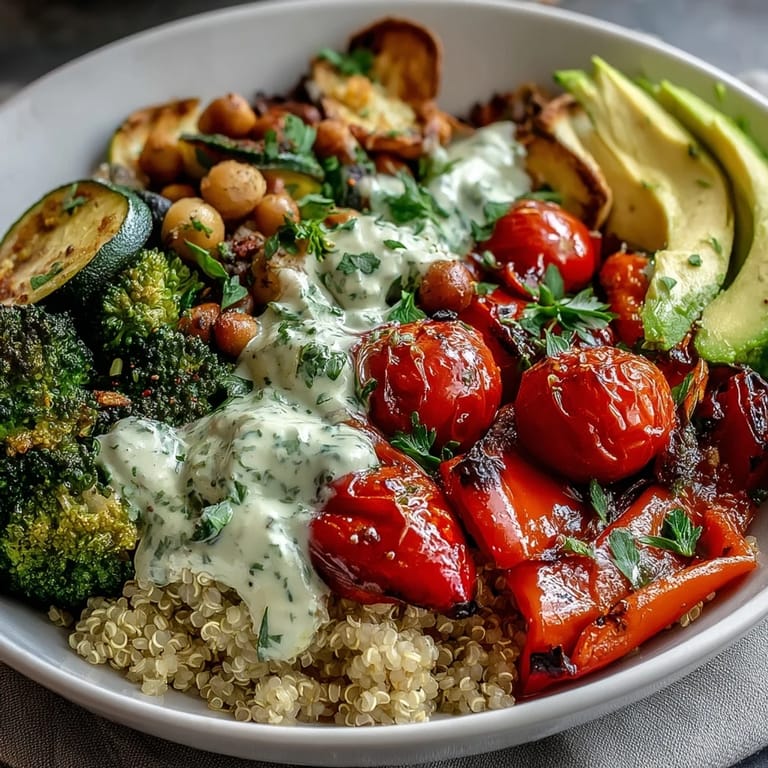
- Start with a generous base of warm grain in each bowl, top with roasted vegetables and legumes divided evenly, then drizzle that tahini sauce all over. The warmth of the grain and vegetables will make the sauce settle into all the corners.
- Finish with the fresh stuff:
- Scatter parsley, lay down avocado slices, sprinkle pumpkin seeds for crunch, and serve with lemon wedges so everyone can squeeze their own brightness over the top.
 Save to Pinterest
 There was a morning I made extra bowls for my family's Saturday breakfast, something I'd never thought to do before, and my daughter actually asked for seconds. It wasn't fancy or complicated, but watching her choose the pumpkin seeds and squeeze lemon over everything reminded me that simple, colorful food sometimes speaks louder than anything else.
Playing with Seasonal Vegetables
The real magic of this bowl is that it adapts to whatever the season is offering. In summer, I load up on zucchini and cherry tomatoes and fresh herbs. Come fall, I'm roasting butternut squash and adding Brussels sprouts. Winter gets root vegetables like beets and carrots. The structure stays the same, but the bowl tastes completely different each time, which means you'll never get bored making it.
Grain and Legume Flexibility
I started with the grain and legume suggestions, but honestly you could use whatever you have or whatever you're in the mood for. Couscous cooks faster if you're in a hurry, barley adds a chewier bite, and you can mix different legumes together instead of keeping them separate. The proportions don't have to be exact, you're just building a foundation for everything else.
Making It Your Own
This is the kind of recipe that practically invites customization, so don't be shy about treating it as a template rather than a strict formula. Add crumbled feta if dairy isn't off the table for you, swap the tahini sauce for a simple vinaigrette if that appeals more, or throw in nuts and seeds you actually enjoy. The beauty is that once you understand the structure, you can build it exactly how you want.
- Keep the components warm or at room temperature depending on what sounds good to you that day.
- Make the tahini sauce ahead of time and store it in the fridge, then thin it with a little water when you're ready to use it.
- These bowls keep reasonably well in the fridge for a day or two if you pack the avocado and dressing separately.
 Save to Pinterest
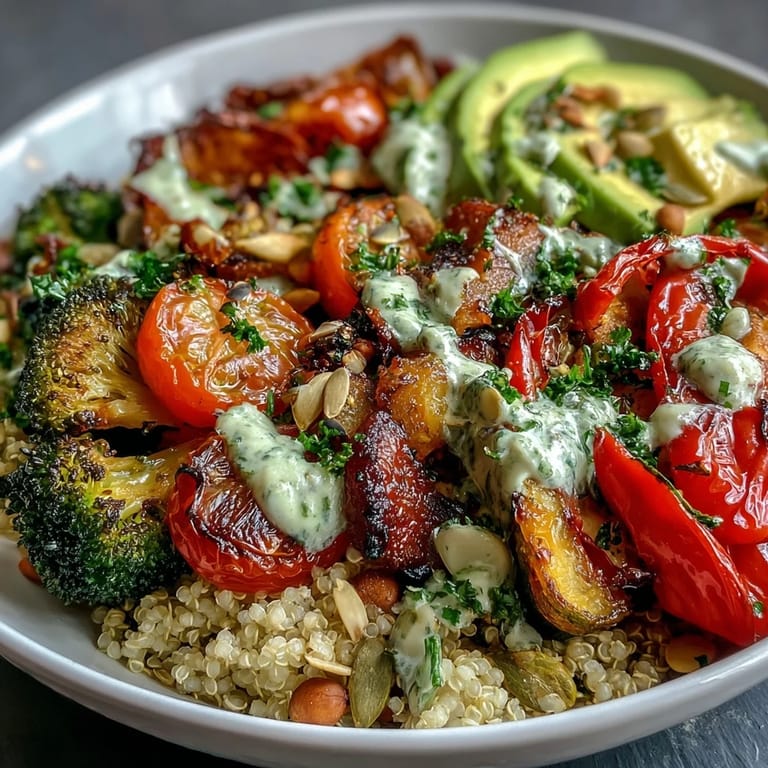
 This bowl has become my answer to the question of what's for lunch when I want something that feels nourishing without feeling like a chore. It's proof that simple, honest food with good ingredients and a little care can turn an ordinary day into something worth savoring.
Frequently Asked Questions
- → Can I make this bowl ahead of time?
Yes, this bowl is excellent for meal prep. Cook the grains, roast the vegetables, and prepare the dressing up to 4 days in advance. Store components separately in airtight containers and assemble when ready to serve.
- → What other grains work well in this bowl?
Beyond quinoa and brown rice, try farro for a nutty chew, barley for heartiness, or couscous for a lighter option. For gluten-free versions, stick with quinoa, rice, or certified gluten-free grains like millet or buckwheat.
- → Can I use different vegetables?
Absolutely. Swap in sweet potato cubes, cauliflower florets, carrots, or Brussels sprouts depending on the season. Just adjust roasting times accordingly—harder vegetables may need 5-10 extra minutes.
- → How do I store leftovers?
Store the grains, roasted vegetables, and legumes in separate containers in the refrigerator for up to 4 days. Keep the dressing in a small jar. When reheating, warm the vegetables and grains gently, then add fresh garnishes like avocado and herbs.
- → Is this bowl freezer-friendly?
The cooked grains and roasted vegetables freeze well for up to 3 months. However, avoid freezing the avocado or fresh garnishes. Thaw components overnight in the refrigerator and add fresh toppings before serving.