 Save to Pinterest
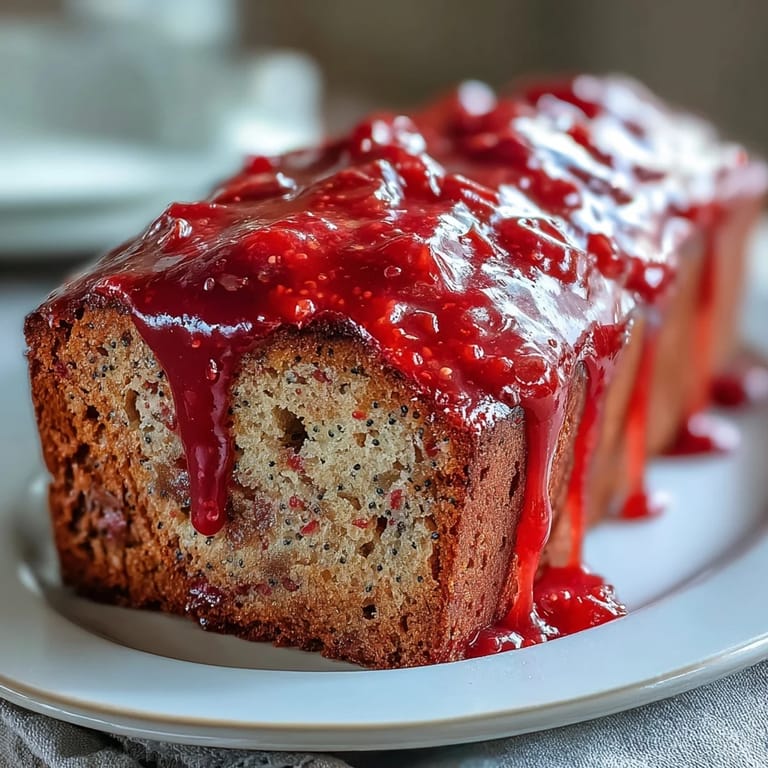
 The first blood oranges appeared at the market in late January, their deep crimson flesh almost glowing under the vendor's lights. I bought a whole bag on impulse, drawn to their jewel-toned beauty, and spent the weekend experimenting with ways to showcase that stunning color. This loaf cake became my answer—a soft, fragrant crumb studded with poppy seeds and threaded with bits of sweet marzipan. Every slice reveals a pale golden interior streaked with ruby, and the scent alone fills the kitchen with something hopeful and bright.
I made this for a winter brunch with friends who were skeptical about baking with marzipan. One of them wrinkled her nose at the idea, convinced it would taste like paste. But after the first forkful, she went quiet, then reached for a second slice without a word. By the end of the meal, she'd asked me to write down the recipe on the back of a napkin. That's when I knew this cake had something special—it wins over even the doubtful.
Ingredients
- All-purpose flour: The foundation of the crumb, providing just enough structure without making the cake dense or dry.
- Baking powder: Gives the loaf a gentle lift and keeps the texture tender and springy.
- Salt: A small pinch sharpens the sweetness and brings out the brightness of the citrus.
- Poppy seeds: They add texture and a subtle earthiness that pairs beautifully with the floral notes of blood orange.
- Unsalted butter: Creaming it with sugar creates air pockets that make the cake light and rich at the same time.
- Granulated sugar: Sweetens the batter and helps achieve that fluffy, cloud-like texture when beaten with the butter.
- Blood orange zest: This is where the magic lives—the oils in the zest release an intoxicating perfume that permeates every bite.
- Large eggs: They bind the batter and add moisture, helping the cake rise and stay soft for days.
- Marzipan: Grated into the batter, it melts into sweet almond pockets that make each slice feel indulgent.
- Blood orange juice: Freshly squeezed is essential here; it gives the cake its signature color and a tangy, floral flavor.
- Whole milk: Adds richness and helps keep the crumb moist and tender.
- Vanilla extract: A warm background note that ties all the flavors together.
- Powdered sugar: The base of the glaze, it dissolves smoothly into the juice for a silky, sweet finish.
Tired of Takeout? 🥡
Get 10 meals you can make faster than delivery arrives. Seriously.
One email. No spam. Unsubscribe anytime.
Instructions
- Prep Your Pan:
- Line your loaf pan with parchment paper, letting the edges hang over the sides like little handles. This makes it so much easier to lift out the cake later without any crumbling or sticking.
- Mix the Dry Ingredients:
- Whisk together the flour, baking powder, salt, and poppy seeds in a medium bowl. The poppy seeds should be evenly distributed so every slice gets that delicate speckled look.
- Cream the Butter and Sugar:
- Beat the butter, sugar, and blood orange zest together until the mixture is pale, fluffy, and fragrant. This takes about three minutes, and you'll know it's ready when it looks almost like frosting.
- Add the Eggs:
- Crack in one egg at a time, beating well after each addition. The batter might look a little curdled at first, but it will smooth out once you add the dry ingredients.
- Fold in the Marzipan:
- Grate the marzipan on the coarse side of a box grater and fold it gently into the batter. It should be evenly scattered, not clumped in one spot.
- Combine the Wet Ingredients:
- Whisk together the blood orange juice, milk, and vanilla in a small bowl. The juice will give the mixture a beautiful rosy hue.
- Alternate Dry and Wet:
- Add the flour mixture in three additions, alternating with the blood orange mixture, starting and ending with flour. Stir gently with a spatula until just combined—overmixing will make the cake tough.
- Bake:
- Pour the batter into the prepared pan, smooth the top, and bake for 45 to 55 minutes. The cake is done when a toothpick inserted in the center comes out clean and the top is golden and springy to the touch.
- Cool Completely:
- Let the cake cool in the pan for 10 minutes, then lift it out using the parchment handles and transfer to a wire rack. Patience here is key—glazing a warm cake will just make a sticky mess.
- Make the Glaze:
- Whisk powdered sugar with blood orange juice until smooth and pourable, adjusting the juice to get the right consistency. Drizzle it over the cooled cake and let it set before slicing.
 Save to Pinterest
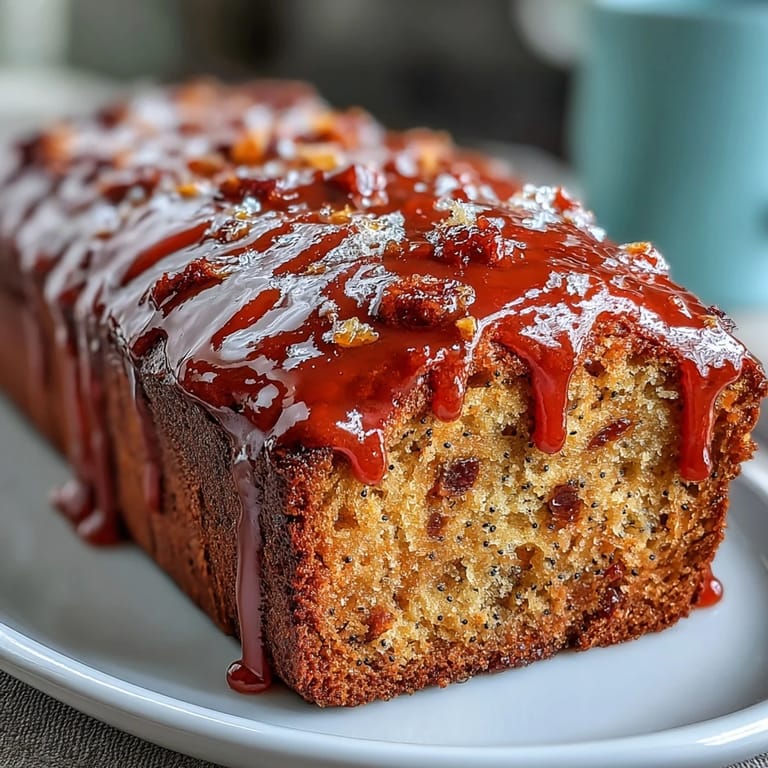
 I served this cake at a springtime tea party, sliced thin and arranged on a vintage platter. The glaze caught the afternoon light, and everyone paused before taking a bite, admiring the soft pink streaks running through the crumb. One friend said it tasted like sunshine preserved in sugar, and I've never forgotten that description. It's the kind of cake that makes people slow down, take a second look, and savor the moment.
Storing and Serving
This loaf keeps beautifully at room temperature for up to three days, wrapped tightly in plastic wrap or stored in an airtight container. The marzipan and blood orange juice keep the crumb moist, so it actually tastes even better the next day once the flavors have had time to settle. I like to slice it thick and serve it with a cup of Earl Grey or a glass of chilled Prosecco for something a little more celebratory. If you want to get fancy, add a dollop of lightly sweetened mascarpone or crème fraîche on the side.
Flavor Variations
If blood oranges aren't in season, you can use regular oranges or even Meyer lemons, though you'll lose that gorgeous ruby color. A splash of orange liqueur in the glaze adds a grown-up depth that's perfect for dinner parties. I've also tried swapping the poppy seeds for toasted slivered almonds, which gave the cake a more pronounced nutty flavor and a lovely crunch. For a richer almond note, replace the marzipan with almond paste, though the texture will be slightly denser.
What to Pair It With
This cake shines at brunch alongside fresh berries, yogurt, and a pot of hot tea. It's also elegant enough to serve as dessert after a light dinner, especially with a scoop of vanilla bean ice cream or a spoonful of lemon curd. I've brought it to potlucks, wrapped in parchment and tied with string, and it always disappears first.
- Serve it with whipped cream infused with a little orange zest for extra indulgence.
- Toast a slice lightly and spread it with salted butter for a cozy breakfast treat.
- Pair it with sparkling wine or a floral white tea to complement the citrus notes.
 Save to Pinterest
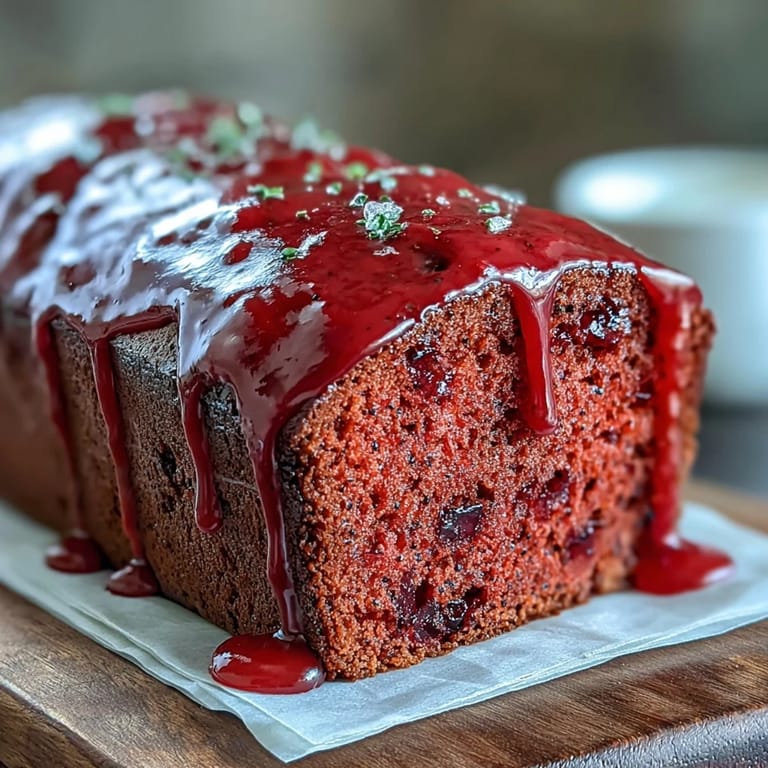
 This loaf cake has become my go-to for moments that deserve something special but not fussy. It's beautiful, fragrant, and tastes like a little piece of winter sunshine wrapped in sugar and citrus.
Frequently Asked Questions
- → Can I use regular oranges instead of blood oranges?
Yes, regular oranges work well, though you'll lose the distinctive ruby color and slightly berry-like flavor. The cake will still be delicious and moist.
- → How do I know when the loaf cake is fully baked?
Insert a toothpick into the center of the cake. If it comes out clean or with just a few moist crumbs, the cake is done. Baking time is typically 45–55 minutes at 175°C.
- → Can I substitute marzipan with something else?
Almond paste is the closest substitute and provides a deeper almond flavor. You can also omit it entirely, though the cake will be slightly less moist and lack that subtle almond note.
- → How should I store the finished cake?
Store in an airtight container at room temperature for 2–3 days. The cake stays moist thanks to the blood orange juice and marzipan. Avoid refrigerating as it can dry out the texture.
- → What drinks pair well with this loaf cake?
Earl Grey tea complements the citrus beautifully, while Prosecco or a light dessert wine adds an elegant touch for special occasions. Coffee also works wonderfully for a morning treat.
- → Can I freeze this loaf cake?
Yes, wrap the unglazed cake tightly in plastic wrap and foil, then freeze for up to 3 months. Thaw at room temperature and add the glaze just before serving.