 Save to Pinterest
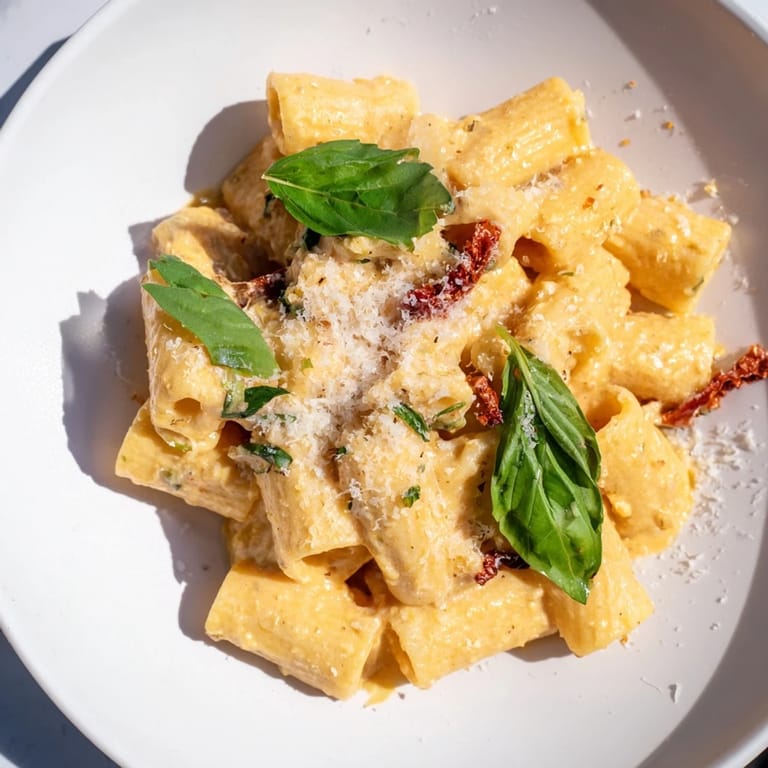
 There's something about the smell of garlic hitting hot olive oil that makes me stop whatever I'm doing. One Tuesday evening, I had maybe twenty minutes before friends arrived and nothing in my head for dinner, so I reached for the jar of sun-dried tomatoes sitting in my pantry and built around that. The result was so creamy, so bright, that it became the dish I return to whenever I need something that feels fancy but doesn't demand hours in the kitchen.
I made this for my sister when she was going through a rough week, and I remember her face as she twirled the first forkful—how she closed her eyes for a second and just ate quietly for a while. That's when I knew this pasta wasn't just convenient; it was the kind of food that mattered.
Ingredients
- Penne or rigatoni, 350 g: Use whatever shape you have; ridged pasta holds this creamy sauce better than smooth.
- Olive oil, 2 tbsp: If your sun-dried tomato jar has oil at the bottom, pour that off into your skillet—it's already flavored and worth using.
- Garlic, 4 cloves, minced: Fresh garlic here is non-negotiable; it's the backbone of the sauce.
- Sun-dried tomatoes in oil, 150 g, drained and sliced: The quality of these matters more than almost anything else in the dish.
- Crushed red pepper flakes, 1 tsp: Optional, but a small pinch wakes up the whole thing.
- Heavy cream, 200 ml: Don't skimp on fat content; it's what makes the sauce silky.
- Parmesan cheese, grated, 60 g: Freshly grated or a block you shred yourself tastes incomparably better than pre-grated.
- Pasta cooking water, 60 ml reserved: This starchy water is your secret weapon for binding the sauce to the pasta.
- Fresh basil, a handful, torn: Add it at the end; heat will destroy its brightness if you're not careful.
- Salt and freshly ground black pepper: Taste as you go; the sun-dried tomatoes are already salty.
Tired of Takeout? 🥡
Get 10 meals you can make faster than delivery arrives. Seriously.
One email. No spam. Unsubscribe anytime.
Instructions
- Start the pasta:
- Fill a large pot with water, salt it generously until it tastes like the sea, and bring it to a rolling boil. Add the pasta and cook according to the package time, but taste it a minute or two before that—you want it tender but still with a slight resistance when you bite it. Before you drain it, scoop out and set aside about a quarter cup of that starchy water.
- Build the sauce base:
- While the pasta cooks, warm your olive oil in a large skillet over medium heat. Once it shimmers, add the minced garlic and let it soften for about a minute, stirring so it doesn't brown—you want it fragrant and golden, not dark and bitter.
- Layer in the tomatoes:
- Add the sliced sun-dried tomatoes and those red pepper flakes if you're using them. Stir everything together and let it cook for a couple of minutes so the flavors start talking to each other.
- Introduce the cream:
- Pour in the heavy cream slowly, stirring as you go. Lower your heat to medium-low and let it bubble gently for a couple of minutes until it thickens just slightly—this is when it goes from cream to sauce.
- Bring it together:
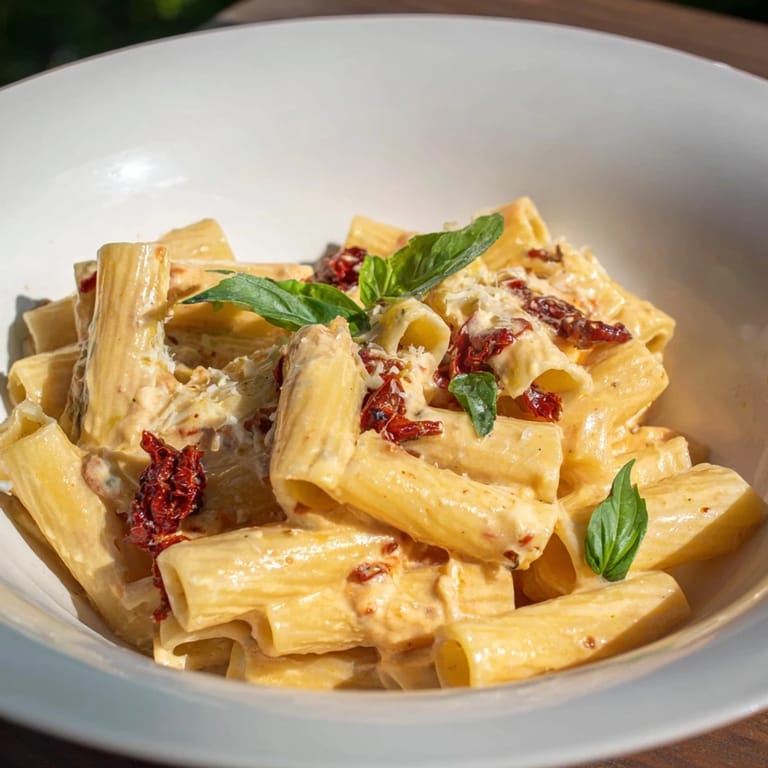
- Add your drained pasta directly to the skillet along with that reserved pasta water. Toss everything together, and watch how the starchy water emulsifies with the cream into something even silkier than before.
- Finish and season:
- Sprinkle in the grated Parmesan and toss again until every strand of pasta is coated. Taste it, then adjust the salt and pepper—remember that the tomatoes and cheese have already seasoned things.
 Save to Pinterest
 The first time I made this for my family, my youngest asked why it tasted so special, and I realized I couldn't point to any single ingredient that was expensive or difficult—it was just about understanding how each element moves around the others. That conversation stuck with me.
The Sun-Dried Tomato Secret
Sun-dried tomatoes live in that strange place between vegetable and preserve—they're concentrated, chewy, and intense in a way that fresh tomatoes can never be. When you slice them and let them warm in hot oil, they surrender their flavors generously. I learned to always taste a piece of sun-dried tomato before using it; sometimes a jar sits on a shelf too long and takes on a slightly off flavor that won't improve no matter how much cream you add.
Why Starchy Pasta Water Changes Everything
The first time someone explained pasta water to me, I thought they were joking. Cooking water that you save and use? But then I watched it happen—how those starch molecules bind with fat and create an emulsion that clings to the pasta and creates a sauce that's better than anything you could build without it. Now I can't imagine making pasta sauce any other way.
Making It Your Own
This recipe is a frame you fill in with what you love. Some evenings I add a handful of sautéed spinach toward the end, and other times I'll throw in some grilled chicken if someone's hungry in a different way. The core—garlic, sun-dried tomatoes, cream, pasta, that starchy water—stays constant because it works.
- A quick sauté of fresh spinach or arugula works beautifully folded in at the very end.
- Grilled or pan-seared chicken strips transform this from side dish to complete meal.
- If you have fresh thyme or oregano in your kitchen, a small pinch brings an herbaceous note that complements the basil.
 Save to Pinterest
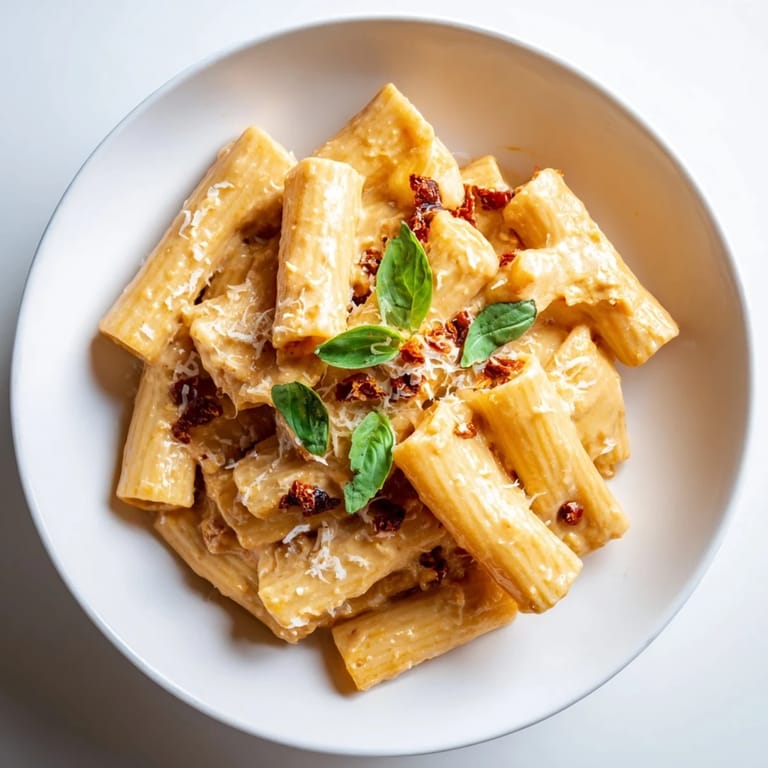
 This pasta teaches you something quiet about cooking: sometimes the most satisfying meals come not from complexity but from treating simple ingredients with respect. It's a dish I reach for again and again, and every time, it reminds me why.