 Save to Pinterest
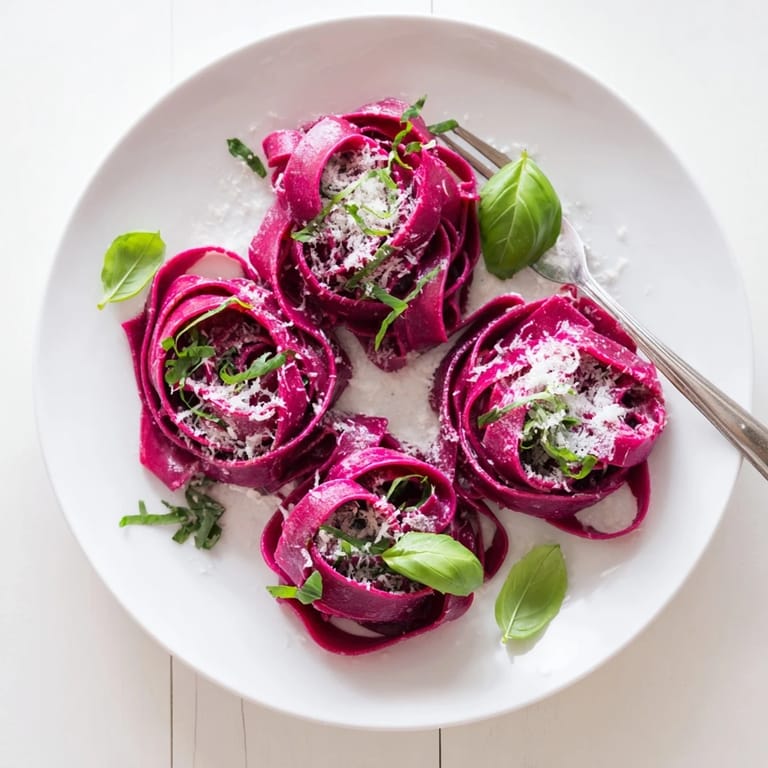
 The first time I made beet noodle pasta, my kitchen looked like a crime scene. Vibrant magenta splatters decorated my white countertops as I awkwardly pureed roasted beets, desperately trying to contain the colorful chaos. Despite the mess, the moment I rolled out that stunning pink dough, transforming ordinary flour into something magical, I was completely hooked. The earthy sweetness paired with the silky texture created something far more special than regular pasta could ever be.
Last autumn, I served this beet pasta for my sister who was visiting from across the country. We hadnt seen each other in nearly a year, and as we rolled out the dough together, our hands stained pink, we fell into that comfortable rhythm that only siblings can find. The pasta became more than dinner that night as we caught up on life while transforming simple ingredients into something extraordinary.
Ingredients
- Medium beet: Look for firm, unblemished beets with the greens still attached if possible, as those tend to be fresher and more flavorful for your puree.
- All-purpose flour: I once tried using only cake flour thinking it would create more delicate pasta, but discovered that good old all-purpose provides exactly the right amount of structure.
- Large eggs: Room temperature eggs incorporate much more smoothly into the dough, a lesson I learned after several frustrating attempts with cold eggs straight from the refrigerator.
- Salt: Dont skip this in the dough, as it enhances not just the flavor but somehow makes the beautiful beet color even more vibrant.
Tired of Takeout? 🥡
Get 10 meals you can make faster than delivery arrives. Seriously.
One email. No spam. Unsubscribe anytime.
Instructions
- Roast that beet:
- Wrap your scrubbed beet in foil with a drizzle of olive oil and pinch of salt, then roast at 400°F for 45-60 minutes until its fork-tender. Youll know its perfect when your kitchen fills with that sweet, earthy aroma.
- Create the puree:
- Once cooled slightly, peel that beautiful beet and blend it until smooth. The transformation from rough vegetable to silky puree always feels like kitchen alchemy to me.
- Form your dough:
- Make a flour well on your countertop, then add eggs, salt, and exactly 1/4 cup of your beet puree to the center. I love watching the bright pink slowly incorporate into the white flour as you mix with a fork.
- Knead with purpose:
- Work that dough for a good 8-10 minutes until its smooth and elastic, adding just enough extra flour to prevent stickiness. Its a wonderful arm workout with a delicious reward.
- Rest and reflect:
- Wrap your vibrant dough ball in plastic and let it rest for 30 minutes while you clean up. This relaxation period makes the dough much more cooperative when rolling.
- Roll and cut:
- Divide the rested dough into manageable pieces and roll each out to about 1-2mm thickness. The transformation from ball to thin sheet reveals the most stunning magenta color.
- Quick cook:
- Fresh pasta cooks incredibly fast, needing just 2-3 minutes in salted boiling water. Watch carefully for that perfect al dente bite, when the noodles are tender but still have a slight chew.
 Save to Pinterest
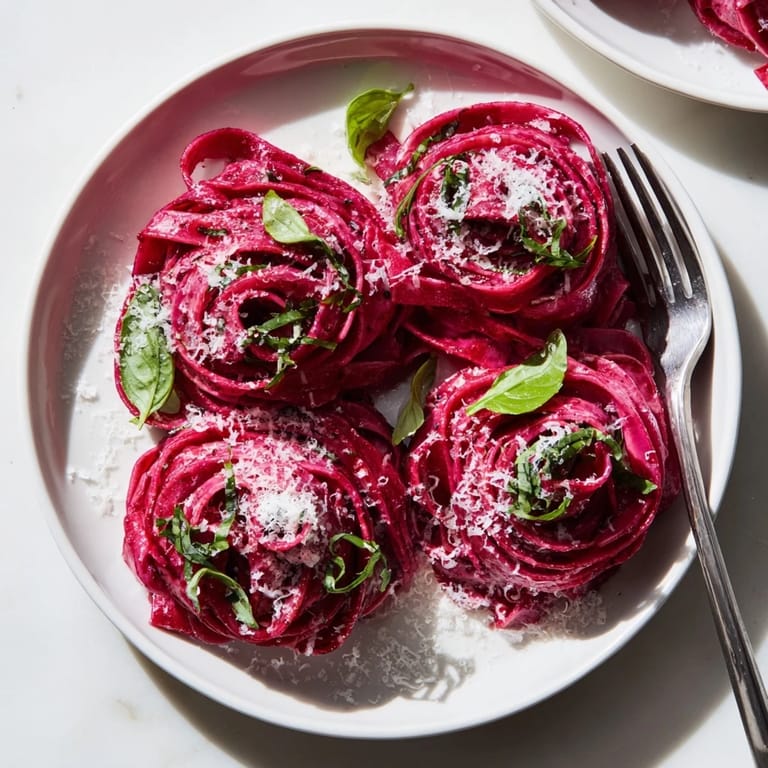
 One summer evening, I served this beet pasta with just a light coating of olive oil, fresh herbs from my windowsill, and a dusting of pecorino. My normally chatty dinner guests fell completely silent for the first few bites, then erupted into questions about how Id made something so beautiful. That moment of creating genuine surprise and delight through something handmade continues to be why I love sharing this recipe.
Serving Suggestions
The subtle earthiness of beet pasta pairs beautifully with simple, bright flavors that dont overwhelm its delicate profile. After experimenting with various combinations, Ive found that brown butter with crispy sage leaves creates a nutty contrast that enhances rather than competes with the pasta. Alternatively, a light lemon cream sauce brings a welcome acidity that cuts through the earthy sweetness in the most refreshing way.
Storage Tips
Fresh beet pasta can be dried by hanging the cut noodles over a pasta rack or even clean clothes hangers for 12-24 hours until completely dry, then stored in an airtight container for up to two weeks. If youre short on time, you can freeze the fresh noodles on a parchment-lined baking sheet until solid, then transfer to freezer bags where theyll keep for up to three months. Just remember that frozen pasta requires no thawing before cooking, simply drop the frozen noodles directly into boiling water and add an extra minute to the cooking time.
Troubleshooting Common Issues
The most frequent challenge with beet pasta is balancing moisture content, since beets add significant liquid to the dough. If your first attempt yields pasta thats too sticky, try roasting your beets longer next time to reduce their water content, or drain the pureed beets in a fine mesh sieve for 10 minutes before measuring. Conversely, if your dough feels too dry and cracks when rolling, a light spritz of water from a spray bottle can work wonders to rehydrate it without making it too wet.
- If your pasta sticks together after cutting, dust it generously with flour and gently toss to separate the strands before cooking.
- Always taste a noodle before draining the entire pot to ensure youve hit that perfect al dente texture.
- For the brightest color, cook in a large volume of water so the beet color doesnt concentrate too much in a small pot.
 Save to Pinterest
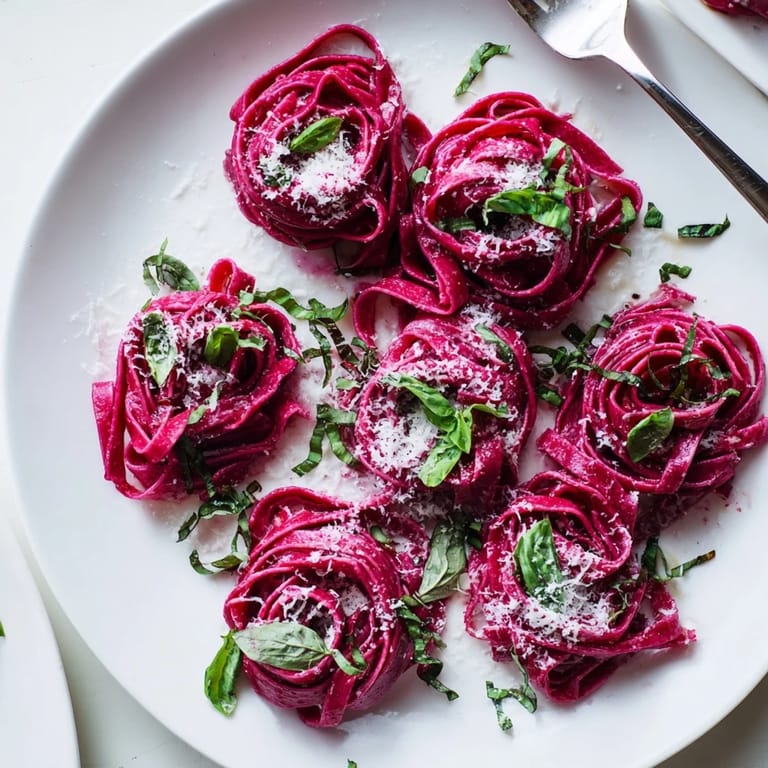
 Every time I make this beet pasta, I find myself slowing down to appreciate the process of transformation happening in my hands. From humble root vegetable to stunning pink ribbons, its a reminder that good cooking isnt just about feeding our bodies but feeding our sense of wonder too.
Frequently Asked Questions
- → How do I achieve the perfect beet puree consistency?
Roast the beet wrapped in foil at 400°F for 45-60 minutes until completely fork-tender. Once cooled slightly, the skin will peel away easily. Blend the roasted beet in a food processor until completely smooth with no lumps. Strain through a fine mesh if you prefer extra-smooth puree for more uniform pasta color.
- → Can I make this pasta dough ahead of time?
Yes, wrap the kneaded dough tightly in plastic wrap and refrigerate for up to 24 hours. Remove from the fridge 30 minutes before rolling to let it come to room temperature. You can also freeze shaped noodles on a baking sheet for 2 hours, then store in freezer bags for up to 3 months. Cook frozen noodles directly in boiling water for 3-4 minutes.
- → What's the best way to cook fresh beet noodles?
Bring a large pot of salted water to a rolling boil. Add fresh noodles and stir gently to prevent sticking. Fresh pasta cooks very quickly—typically 2-3 minutes—compared to dried pasta. Test for doneness by tasting a strand; it should be tender but still have a slight bite (al dente). Drain immediately and toss with your chosen sauce.
- → How can I make this vegan-friendly?
Replace the 2 large eggs with 1/4 cup water mixed with 1 tablespoon olive oil to bind the dough. This creates a similar consistency and texture. The rest of the dough preparation remains the same. For serving, use olive oil instead of butter and nutritional yeast or dairy-free parmesan as toppings.
- → Why is my dough too sticky, and how do I fix it?
Fresh beet puree contains moisture that affects dough hydration. If the dough feels sticky after kneading, dust with small amounts of flour incrementally while kneading. Add no more than 2-3 tablespoons extra flour total. Conversely, if the dough is too dry, wet your fingers slightly and continue kneading to incorporate the moisture.
- → What sauces pair best with beet noodles?
Light sauces complement the subtle earthiness of beet noodles beautifully. Try brown butter with crispy sage, lemon cream sauce, fresh tomato sauce, or a simple garlic and olive oil preparation. Avoid heavy cream sauces that overpower the delicate beet flavor. Fresh herbs like parsley, dill, or chives enhance the natural earthiness wonderfully.