 Save to Pinterest
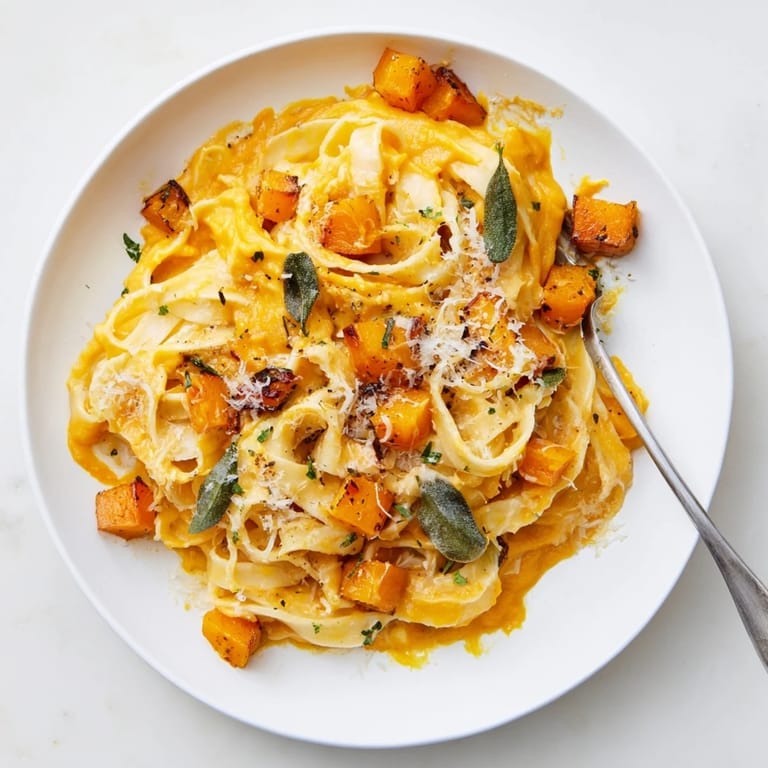
 The sizzle of onions and sage in olive oil always transports me back to that misty October afternoon when I first created this butternut squash pasta. Looking for something comforting after a chilly farmers market run, I found myself cradling a perfect butternut squash, its tan skin promising sweet, orange flesh inside. My kitchen filled with the nutty aroma of roasting squash while rain tapped against the windows. The resulting sauce was so velvety and rich, I couldnt believe something so luxurious came from such simple ingredients.
Last Thanksgiving, when my sister announced she was going vegetarian, I quietly adjusted our menu to include this pasta. Amid the usual holiday chaos, with cousins sprawled across the living room and the perpetual dishwasher cycle, I served this alongside our traditional spread. My brother-in-law, notorious for his meat-loving ways, asked for the recipe after his second helping. My sister squeezed my hand under the table, a silent thank you that meant more than any compliment.
Ingredients
- Butternut Squash: Look for one with a matte finish rather than shiny skin, which indicates its perfectly ripe and will give you that ideal sweet-savory balance.
- Garlic Cloves: Roasting them unpeeled creates a mellow, caramelized flavor that gently perfumes the sauce without overwhelming it.
- Fresh Sage: The earthy, slightly peppery notes complement the sweetness of the squash in a way dried herbs simply cannot match.
- Heavy Cream: Just a half cup transforms the sauce from good to extraordinary, creating silkiness that clings beautifully to each pasta strand.
- Parmesan Cheese: The subtle saltiness balances the squashs natural sweetness while adding that umami depth that keeps you coming back for another bite.
Tired of Takeout? 🥡
Get 10 meals you can make faster than delivery arrives. Seriously.
One email. No spam. Unsubscribe anytime.
Instructions
- Roast the Squash:
- Spread your butternut cubes and unpeeled garlic on a parchment-lined baking sheet, drizzling with olive oil until they glisten. The magic happens at 400°F for about 30 minutes when the edges turn golden-brown and caramelize, concentrating all that natural sweetness.
- Create the Flavor Base:
- While the squash roasts, sauté diced onion and sage until your kitchen smells like heaven and the onions become translucent. This aromatic foundation will support all the other flavors in your sauce.
- Blend to Velvet:
- Combine your roasted squash, garlic squeezed from its papery skin, sautéed onions, broth, and cream in your blender. Watch in satisfaction as it transforms into a sunset-colored sauce with a texture so smooth it seems impossible from such humble ingredients.
- Marry the Elements:
- Return your sauce to the skillet, folding in the Parmesan until it melts completely. The sauce will thicken slightly, coating the back of a spoon in a way that promises it will cling perfectly to your pasta.
- Bring It All Together:
- Toss your cooked pasta directly into the sauce, allowing it to absorb those flavors for a few minutes. Notice how the pasta seems to drink in the sauce, becoming one cohesive dish rather than noodles with topping.
 Save to Pinterest
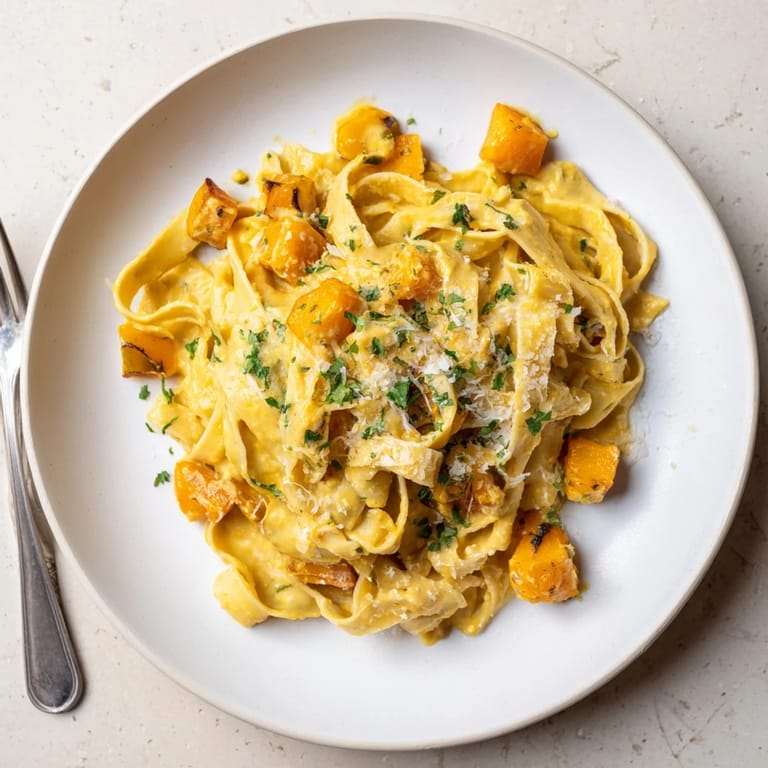
 Last winter during that terrible power outage, we gathered at my neighbors house, the only one with a generator. I brought a pot of this pasta, keeping it warm on their stove. In the strange blue glow of emergency lighting, surrounded by borrowed blankets and worried faces, this humble dish somehow transformed our makeshift shelter into something that felt like home. The children, previously restless and scared, settled down with steaming bowls, their faces illuminated with unexpected delight.
Seasonal Adaptations
Summer transforms this dish when I swap the butternut for yellow summer squash, lighten the cream, and add bright lemon zest and basil instead of sage. The principle remains the same, but the character shifts completely like changing from a cozy sweater to a breezy linen shirt. Each season offers its own variation, proving good cooking techniques transcend specific ingredients.
Make It Your Own
The basic framework here welcomes your personal touch better than most recipes. Some evenings I fold in sautéed mushrooms for earthy depth, other times baby spinach for color and nutrition, or toasted walnuts for textural contrast. My neighbor stirs in goat cheese instead of Parmesan, creating a tangier profile that works surprisingly well. Your kitchen, your rules.
Serving Suggestions
The rich, creamy nature of this pasta calls for contrast on your plate and palate. A simple arugula salad dressed with lemon juice and olive oil provides the perfect acidic counterpoint to cut through the richness. If serving for company, consider beginning with something light like a clear vegetable soup, allowing this pasta to be the undisputed star of your meal.
- A crisp Pinot Grigio or unoaked Chardonnay complements the creamy sauce without competing with its delicate flavors.
- For a complete protein, consider topping with roasted chickpeas tossed with smoked paprika.
- Leftover sauce freezes beautifully for up to three months in airtight containers, ready to rescue future weeknight dinners.
 Save to Pinterest
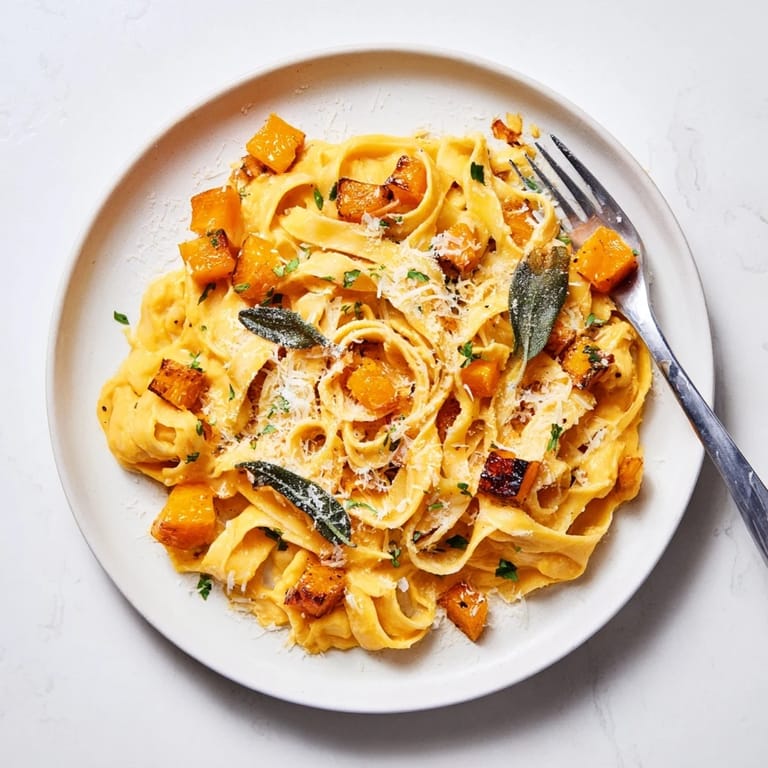
 This butternut squash pasta reminds us that comfort food neednt be complicated to be extraordinary. Its waiting to become part of your own kitchen stories, ready to warm both body and spirit when you need it most.
Frequently Asked Questions
- → Can I make this dish ahead of time?
Yes, prepare the squash sauce up to two days in advance and refrigerate in an airtight container. Reheat gently on the stovetop, adding vegetable broth if needed to restore creaminess. Cook pasta fresh just before serving and toss together.
- → What pasta shapes work best for this sauce?
Flat ribbons like fettuccine or tagliatelle are ideal for clinging to the creamy sauce. Pappardelle works beautifully too. Fresh pasta creates the most luxurious coating, though dried pasta performs equally well.
- → How do I achieve the perfect sauce consistency?
The sauce should coat the back of a spoon smoothly. If too thick after blending, add reserved pasta water gradually until reaching desired consistency. The starch in pasta water helps the sauce cling better than broth alone.
- → Can I substitute the heavy cream?
Absolutely. Full-fat coconut milk creates a vegan version with comparable richness. Greek yogurt or cashew cream offer lighter alternatives. Use equal proportions as the original cream measurement.
- → What vegetables can I add for extra flavor?
Sautéed mushrooms, fresh spinach, or roasted walnuts enhance texture and depth. Crispy sage leaves, caramelized shallots, or toasted pine nuts provide interesting variations while complementing the squash base.