 Save to Pinterest
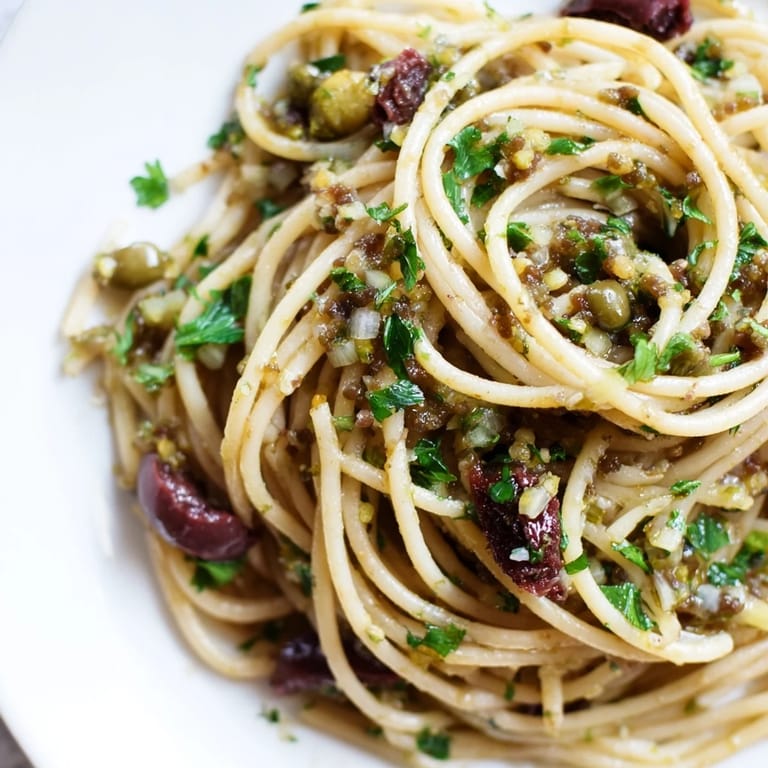
 The scent of briny olives filled my small apartment kitchen the first night I made olive tapenade pasta after returning from a trip to southern France. I'd wandered through markets in Provence, watching shopkeepers scoop glistening olive mixtures into paper containers for eager locals. Back home, desperate to recreate those Mediterranean flavors, I pulled out my wobbly food processor and hoped for the best. The resulting dish wasn't just good – it was a portal back to sun-drenched coastlines.
Last summer, I served this pasta on my tiny balcony for an impromptu dinner party when the air conditioner broke during a heatwave. What started as a desperate no-cook sauce solution became the unexpected star of the evening. My friend Marco, an Italian food purist who normally scoffs at pasta innovations, asked for seconds and then quietly requested the recipe before leaving. The simplicity yet bold flavors converted even the staunchest traditional pasta lover.
Ingredients
- Mixed pitted olives: The combination of Kalamata and green olives creates the perfect balance of fruity, briny, and slightly bitter notes – I discovered that room temperature olives blend much more smoothly than cold ones straight from the fridge.
- Capers: These tiny flavor bombs add brightness and complexity that elevate the tapenade from good to magnificent – give them a quick rinse if youre sensitive to salt.
- Extra-virgin olive oil: Please dont skimp here – a peppery, high-quality olive oil makes all the difference between a decent pasta and one that transports you straight to the Mediterranean coast.
- Pasta cooking water: This starchy liquid is liquid gold for creating a silky sauce that clings to each strand of pasta rather than pooling at the bottom of your plate.
- Fresh parsley: The grassy brightness cuts through the rich olive mixture and adds a pop of color – I once substituted dried parsley in a pinch and deeply regretted it.
Tired of Takeout? 🥡
Get 10 meals you can make faster than delivery arrives. Seriously.
One email. No spam. Unsubscribe anytime.
Instructions
- Boil with purpose:
- Set a large pot of water to boil and add a full tablespoon of salt – the pasta water should taste like the sea. Cook your pasta just until al dente, as it will continue softening slightly when tossed with the warm tapenade.
- Create the tapenade magic:
- While the pasta bubbles away, pulse the olives, capers, garlic, parsley and lemon juice in your food processor until chunky but combined. Drizzle in the olive oil slowly as the machine runs, watching the transformation into a spreadable, luscious paste.
- Save that liquid gold:
- Before draining your pasta, scoop out at least a quarter cup of the starchy cooking water. This crucial step prevents the final dish from becoming dry and helps the tapenade coat every strand perfectly.
- The grand marriage:
- Return your drained pasta to the still-warm pot and add generous spoonfuls of tapenade. Toss enthusiastically while adding splashes of reserved pasta water until every piece is coated in silky, olive-studded goodness.
- Garnish with abandon:
- Shower the finished pasta with fresh parsley, bright lemon zest, and if you like, a snowfall of Parmesan. These final touches add dimension and freshness that elevate the entire experience.
 Save to Pinterest
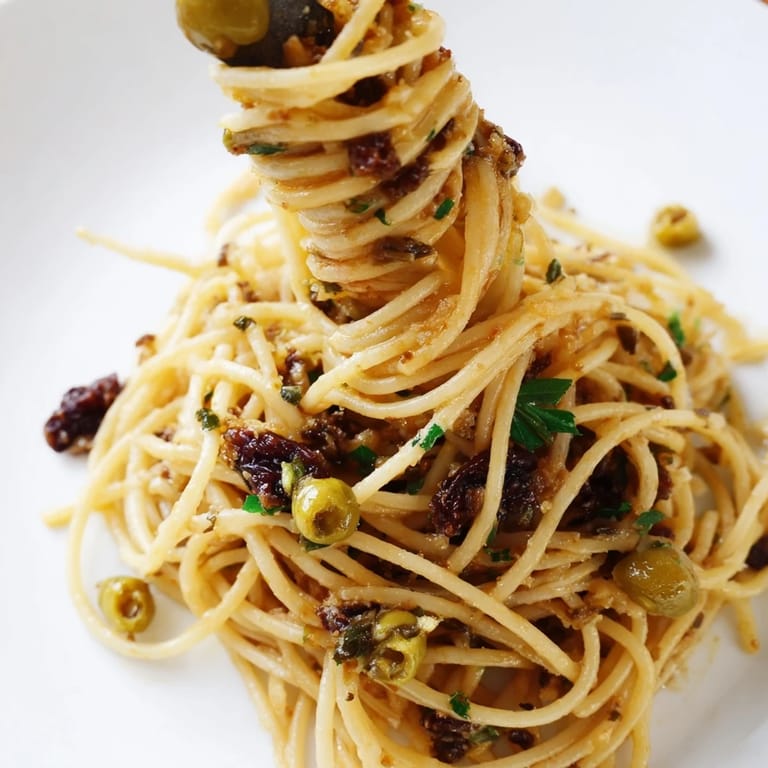
 One particularly memorable evening, I brought this olive tapenade pasta to a potluck where a guest was celebrating their first meal after returning from the hospital. As conversation flowed around the table, I noticed them quietly serving themselves a second portion, then a third, before finally asking what made it so comforting. Something about the bold flavors provided exactly the sensory experience they needed after days of bland hospital food – a reminder that sometimes the simplest dishes carry unexpected healing properties.
Storing and Reheating Tips
Through countless iterations, Ive discovered this pasta actually improves overnight as the flavors meld in the refrigerator. Store any leftovers in an airtight container for up to three days, though the vibrant green from the parsley will gradually fade. When reheating, add a small splash of water or olive oil and warm gently in a pan rather than nuking it in the microwave, which tends to make the pasta tough and the olive oil separate.
Variations Worth Trying
The basic tapenade framework welcomes thoughtful additions based on what you have available. After making this dish dozens of times, Ive experimented with folding in sundried tomatoes for sweetness, crumbled feta for creaminess, and toasted pine nuts for crunch. My partner prefers the version with a generous pinch of red pepper flakes added to the tapenade, while I sometimes stir in fresh baby spinach just before serving, letting the residual heat wilt the leaves into silky ribbons.
Making It A Complete Meal
This pasta shines as the star of a simple Mediterranean-inspired dinner spread that requires minimal additional effort. The intense flavors pair beautifully with neutral sides that provide balance and freshness to the meal.
- Serve alongside a crisp green salad dressed simply with lemon juice and olive oil to cut through the richness of the olives.
- Warm crusty bread makes an excellent accompaniment for capturing any escaped bits of tapenade that might otherwise be left behind on the plate.
- For a protein boost, add grilled shrimp or chicken on the side rather than mixing directly into the pasta to maintain the integrity of the original flavors.
 Save to Pinterest
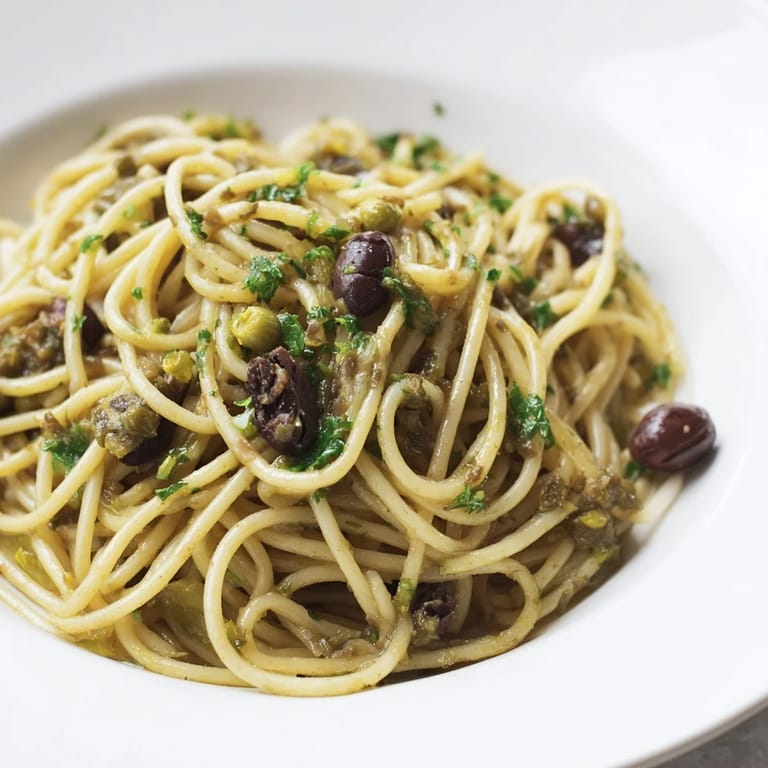
 This humble Mediterranean-inspired pasta has become my culinary safety net – the dish I turn to when time is short but the desire for something soul-satisfying is strong. In its briny, garlicky embrace, there's both comfort and excitement – the hallmark of any recipe worth passing along.
Frequently Asked Questions
- → Can I make the tapenade ahead of time?
Yes, you can prepare the tapenade up to 2 days in advance. Store it in an airtight container in the refrigerator. Allow it to come to room temperature before tossing with hot pasta, or simply reheat it gently if preferred.
- → What type of olives work best for this dish?
Kalamata and green olives are recommended for their robust flavor, but you can use any pitted olives you prefer. Mix varieties for complexity, or stick with one type depending on your taste preference.
- → How can I adjust the texture of the tapenade?
Pulse the ingredients briefly for a chunky paste, or process longer for a finer consistency. The coarse texture is traditional, but blend to your liking. Adding more reserved pasta water creates a smoother sauce.
- → Is this suitable for vegan diets?
Yes, this dish is naturally vegan when made with vegan pasta. Simply omit the Parmesan garnish or use a plant-based alternative. All other ingredients are vegan-friendly by default.
- → What pasta shapes pair well with this tapenade?
Spaghetti and linguine work beautifully, as their long strands catch the chunky sauce. You can also use penne, rigatoni, or bucatini. Avoid very thick or tube shapes that don't incorporate the tapenade as evenly.
- → How do I prevent the pasta from becoming too oily?
Reserve pasta cooking water and use it to adjust consistency as needed. The starch in the water emulsifies the olive oil, creating a cohesive sauce rather than an oily coating. Start with less tapenade and add gradually.