 Save to Pinterest
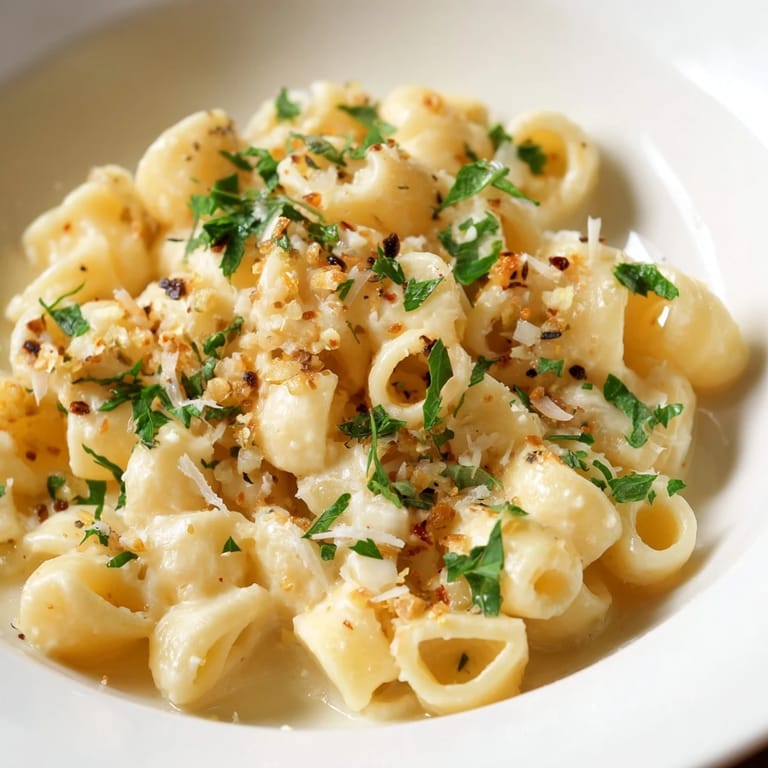
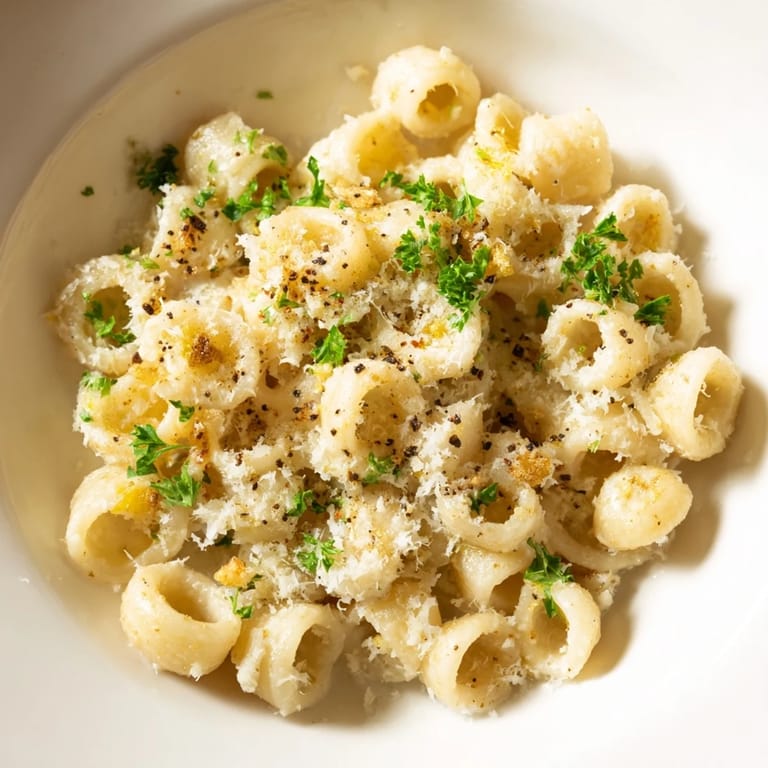
 There's something about the smell of garlic hitting hot oil that makes you feel like you're actually cooking something worthwhile. I stumbled into this ditalini pasta one weeknight when I had half-and-half sitting in the fridge and no real plan, just a vague memory of my neighbor mentioning how she lightened up her cream pasta sauces. Twenty minutes later, I had something so comforting and creamy that it didn't feel like I was being virtuous at all—it just felt indulgent without the heaviness.
I made this for my roommate on a random Thursday when she came home looking defeated by her day, and watching her face soften on the first bite told me everything I needed to know. She ate the whole portion without saying much, just quietly content, and that's when I realized this dish had crossed from 'something I cooked' into 'something people actually crave.'
Ingredients
- Ditalini pasta (300 g): These little tube shapes trap the sauce inside them, which is the whole point—don't substitute with long pasta or you'll lose that magic.
- Olive oil (1 tablespoon): Good quality here makes a difference; cheap oil can turn bitter when it hits heat.
- Garlic (4 cloves, finely minced): The soul of this dish—mince it small so it dissolves into the sauce rather than sitting in chunks.
- All-purpose flour (2 tablespoons): This thickens everything without any fancy technique; just whisk it in before the cream or you'll get lumps.
- Half-and-half (480 ml): The whole reason this works—creamier than milk, lighter than heavy cream, and it doesn't break under heat the way pure cream sometimes does.
- Vegetable broth (60 ml): Adds subtle depth and prevents the sauce from being one-note; low-sodium keeps you in control of salt levels.
- Parmesan cheese (40 g, grated): Fresh grated, never the pre-shredded stuff—it melts smoother and tastes brighter.
- Salt and black pepper: Taste as you go because everyone's preferences differ; I always add less than I think I need.
- Red pepper flakes (pinch, optional): A whisper of heat that makes people wonder what they're tasting.
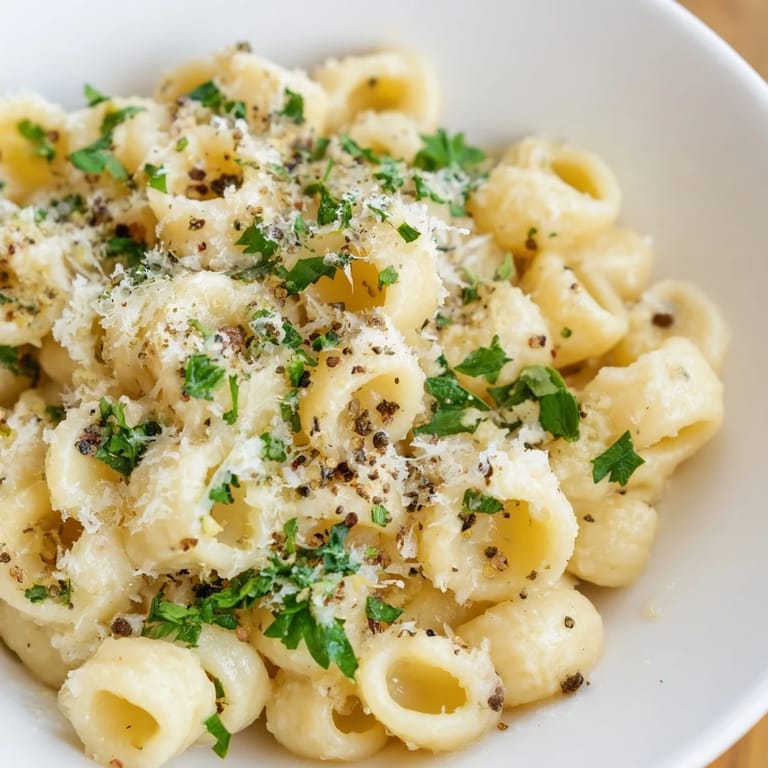
- Fresh parsley (2 tablespoons, chopped) and extra Parmesan for garnish: These aren't decorative—they wake up the whole dish right before you eat it.
Tired of Takeout? 🥡
Get 10 meals you can make faster than delivery arrives. Seriously.
One email. No spam. Unsubscribe anytime.
Instructions
- Boil the pasta:
- Get your salted water going—it should taste like the sea—and cook the ditalini until it's just barely tender. Reserve that pasta water before draining because you'll need it to adjust the sauce consistency later.
- Toast the garlic:
- Heat the olive oil over medium heat and let it warm for a moment before adding your minced garlic. Watch it carefully for about a minute until it becomes fragrant; you want it golden and soft, never brown or bitter.
- Make the roux:
- Sprinkle the flour right into that garlicky oil and stir constantly for one full minute. This cooks out the raw flour taste and creates the base that will thicken your entire sauce.
- Build the sauce:
- Slowly pour in your half-and-half while whisking constantly—this prevents lumps from forming. Add the broth gradually too, continuing to whisk until everything is smooth and silky, about three to four minutes of steady whisking.
- Season and simmer:
- Stir in the Parmesan, salt, pepper, and those red pepper flakes if you're using them. Let it bubble gently for two more minutes so all the flavors can find each other.
- Combine and adjust:
- Toss the hot ditalini into the sauce and coat every piece evenly. If it looks too thick, add your reserved pasta water a splash at a time until it flows slightly rather than clumps.
- Finish and serve:
- Remove from heat, scatter fresh parsley and extra Parmesan on top, and serve immediately while everything is still steaming.
 Save to Pinterest
 What surprised me most was how this became the dish people asked for by name, not as a placeholder meal but as something they genuinely wanted. It hit that sweet spot where it feels like real comfort food but doesn't leave you bloated—that's when you know you've found something special.
Why This Works
The magic here is balance: garlic gives intensity, the flour adds structure, and half-and-half delivers creaminess without heaviness. The vegetable broth keeps the sauce from becoming one-dimensional, while Parmesan adds that umami depth that makes your brain register this as genuinely satisfying. It's a formula that works because each ingredient has a job, and nothing's there by accident.
Making It Your Own
This recipe is a blank canvas if you want it to be—I've added roasted mushrooms when I had them, stirred in cooked chicken for nights when I needed more protein, and even cracked an egg or two into the finished dish for richness. The sauce is forgiving enough that you can experiment without breaking the whole thing.
Timing and Service
The whole dish takes about thirty minutes from start to finish, which means you can have this ready faster than most takeout arrives at your door. Serve it immediately while the sauce is still warm and flowing—it sets up if it sits too long, though a splash of milk can revive it if needed. Pair it with a simple green salad and a crisp white wine, or eat it exactly as it is if that's what your day calls for.
- Cook the pasta just until al dente because it continues softening in the hot sauce.
- Keep your burner at medium heat to prevent the sauce from boiling aggressively and breaking.
- Taste the salt at the end—Parmesan and broth already contribute sodium, so go easy at first.
 Save to Pinterest
 This dish has become my go-to proof that simple really does taste better when you pay attention to what you're doing. It's the kind of recipe that reminds you why cooking at home matters—not because it's fancy, but because it's yours.
Frequently Asked Questions
- → What is the best way to cook ditalini pasta for this dish?
Cook ditalini in salted boiling water until al dente, then drain reserving some pasta water to adjust sauce consistency if needed.
- → How does using half-and-half affect the sauce?
Half-and-half provides creaminess with less fat than heavy cream, resulting in a lighter yet smooth and rich sauce texture.
- → Can I add any proteins to this dish?
Yes, incorporating cooked chicken or sautéed mushrooms adds protein and variation without overpowering the garlic flavor.
- → How should the garlic be prepared to maximize flavor?
Finely mince garlic and sauté briefly in olive oil until fragrant but not browned to bring out a robust aroma without bitterness.
- → What alternatives can be used for garnishing?
Fresh chopped parsley adds brightness and color, while extra grated Parmesan enhances the savory notes and richness.