 Save to Pinterest
 My first bowl of proper cawl came on a grey November afternoon at my neighbor's kitchen table, steam rising off the bowl faster than I could blow it cool. She'd made it the day before, which I later learned was the Welsh way, and as the lamb fell apart on my spoon and the leeks melted into the broth, I understood why this stew had warmed people through centuries of Welsh winters. That single bowl changed how I thought about slow cooking—not as a technique, but as an act of patience rewarded.
I made this for my brother when he came home exhausted from a long drive, and watching him sit down and just eat silently for ten minutes told me everything about whether the recipe worked. There's something about cawl that turns a kitchen into a sanctuary—the smell alone feels like an apology for all the rushed meals of the week.
Ingredients
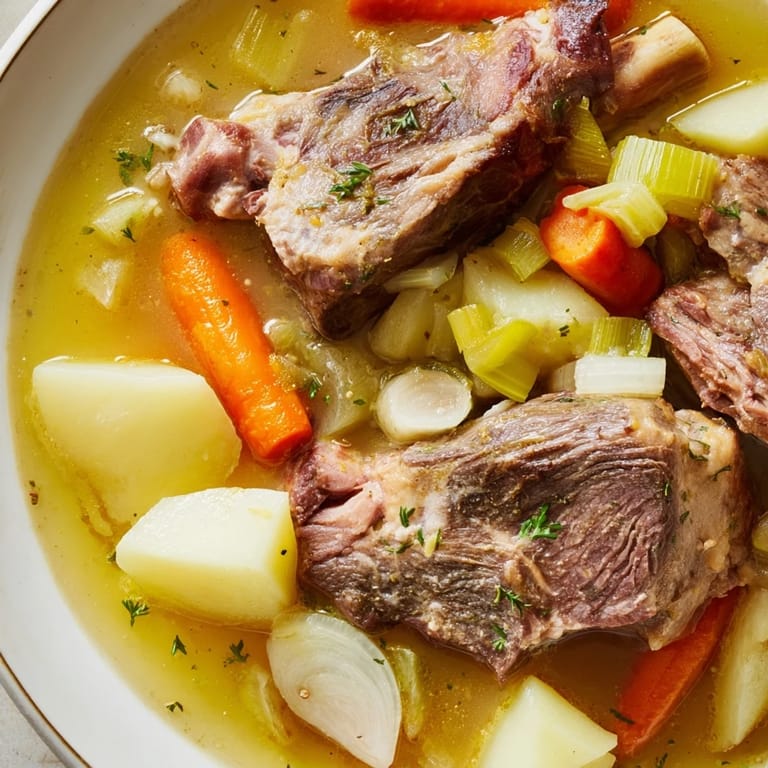
- Lamb shoulder (1 kg, bone-in if possible): The bone contributes gelatin and depth that elevates the entire broth—don't skip it or substitute with boneless meat if you can help it.
- Carrots and parsnips: These two create the sweet undertone that balances the savory lamb; they should be sliced thick enough to hold their shape through two hours of simmering.
- Potatoes and swede: They thicken the broth naturally as they break down, so you don't need cream or flour to achieve that luxurious texture.
- Leeks: Add them in two batches—early leeks dissolve into the broth for flavor, late leeks stay distinct and tender, giving you textural contrast.
- Stock (1.5 liters): Use low-sodium so you control the seasoning; lamb stock deepens the flavor, but chicken works if that's what you have.
- Bay leaves and parsley: Bay leaves anchor the flavor profile; fresh parsley at the end brings brightness that cuts through the richness.
Tired of Takeout? 🥡
Get 10 meals you can make faster than delivery arrives. Seriously.
One email. No spam. Unsubscribe anytime.
Instructions
- Start with the lamb:
- Place lamb chunks in your largest pot and cover with cold stock, then bring to a boil. You'll see grey foam rise to the surface—skim this off with a spoon, as it contains impurities that would cloud your broth. This takes five minutes and makes a visible difference in clarity.
- First simmer:
- Add bay leaves, reduce heat to a gentle bubble, cover, and leave it alone for a full hour. The lid keeps the broth from reducing too much; you're poaching the lamb, not making it stringy.
- Add the root vegetables:
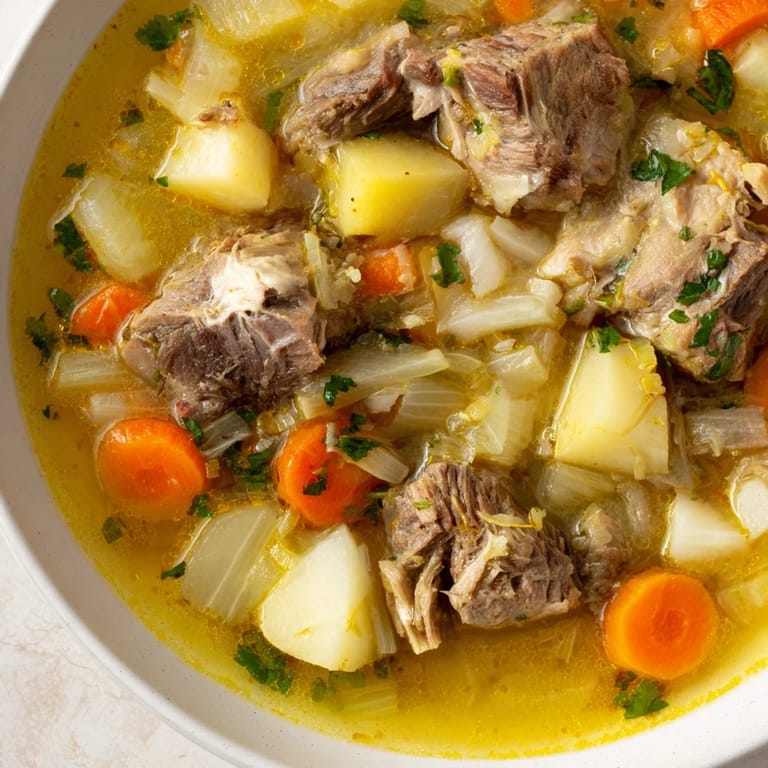
- Carrots, parsnips, potatoes, swede, onion, and most of the leeks (save a handful) go in together. This is where you season generously with salt and pepper—taste as you go, remembering you can always add more.
- Second simmer:
- Cover and simmer for 45 minutes until vegetables are tender and lamb shreds easily when pressed with a spoon. The house will smell like comfort at this point.
- Final touches:
- Add reserved leeks and fresh parsley, simmer 10 more minutes, then taste and adjust seasoning. Remove bay leaves before serving.
 Save to Pinterest
 My daughter came home from school on a cold day and before taking off her coat, she asked if we could make cawl because the smell meant winter was here and everything was right. That's the moment I knew this recipe belonged in our regular rotation, not as something special but as something essential.
Why Cawl Matters in Welsh Cooking
Cawl sits at the heart of Welsh food tradition not because it's complicated, but because it's built on the principle that good food comes from time, not technique. For generations, this was the dish that got families through winter when fresh ingredients were limited to what the root cellar held. The beauty is that it asks very little of you except presence—the stove does the real work while you attend to other things.
Making It Your Own
While the traditional recipe is perfect as written, cawl is forgiving enough that you can adapt it to what you have. Some cooks add celery, others include turnip instead of swede, and a few brave souls have been known to throw in barley for extra body. The structure stays the same: long-cooking protein, sweet root vegetables, alliums, and broth. Honor that framework and you'll have something delicious no matter what.
Serving and Storage
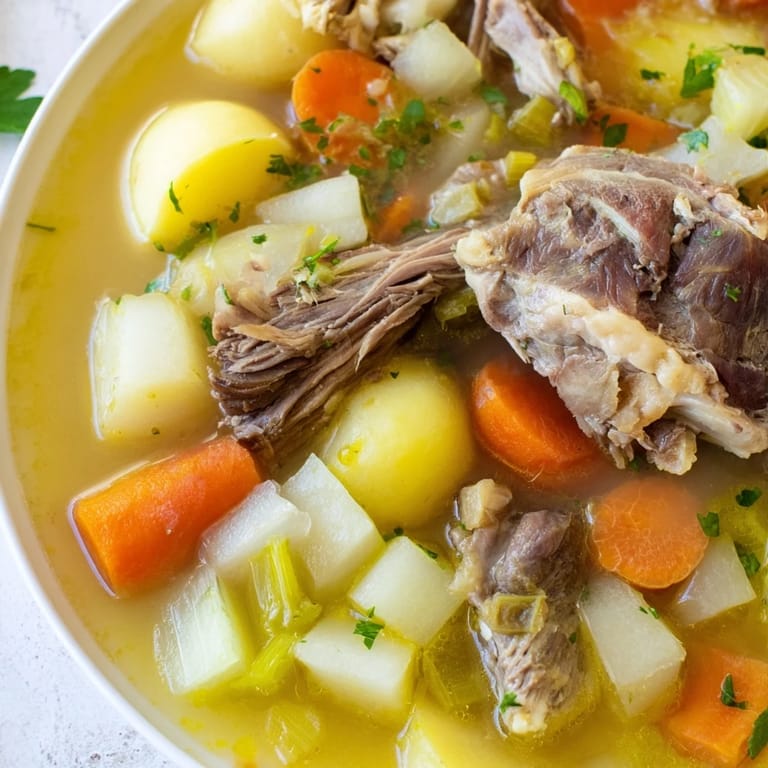
Serve cawl hot in deep bowls with a piece of crusty bread for soaking the broth, and a wedge of Welsh cheese like Caerphilly on the side if you're being traditional. Leftovers improve in flavor and keep beautifully in the refrigerator for four days, or freeze for up to three months—reheat gently on the stovetop, adding a splash of stock if the broth has reduced too much.
- Ladle carefully to keep vegetables intact and make each bowl look as good as it tastes.
- Let it rest for five minutes after ladling so the heat distributes evenly and you don't burn your mouth.
- Save the bone from the lamb if you want to make stock later—it has more flavor to give.
 Save to Pinterest
 Cawl is the kind of dish that reminds you why cooking matters: it gathers people around a table and gives everyone permission to slow down. Make it, serve it, and watch what happens when people taste real comfort.
Frequently Asked Questions
- → What cut of meat is best for this dish?
Lamb shoulder with bone-in is preferred for its rich flavor and tenderness after slow cooking.
- → Can I use other vegetables in place of the root vegetables listed?
Yes, hearty vegetables like turnips or celery root can be used to maintain the dish’s traditional character.
- → How long should the stew simmer for optimal flavor?
A total simmer time of around 1 hour 45 minutes allows the lamb and vegetables to become tender and develop deep flavors.
- → Is it necessary to include bay leaves and parsley?
Bay leaves add subtle aromatic notes, while fresh parsley brightens the dish; both enhance overall flavor but can be adjusted to taste.
- → What is the best way to serve this dish traditionally?
Traditionally, this stew is served hot with crusty bread or Welsh cheese like Caerphilly on the side.
- → Can the stew be prepared ahead of time?
Yes, allowing it to rest for a day enhances the flavors, making leftovers ideal for reheating.