 Save to Pinterest
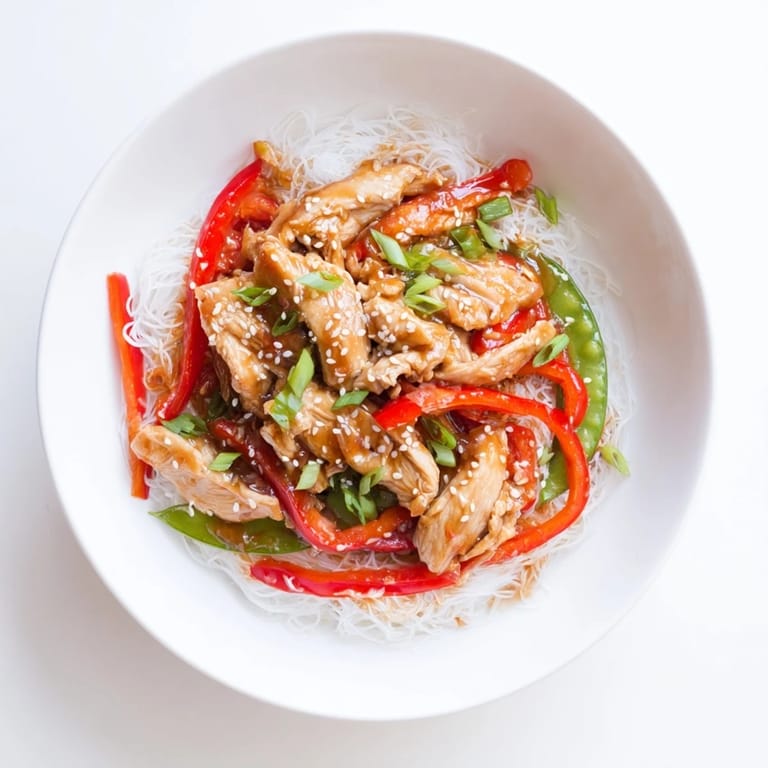
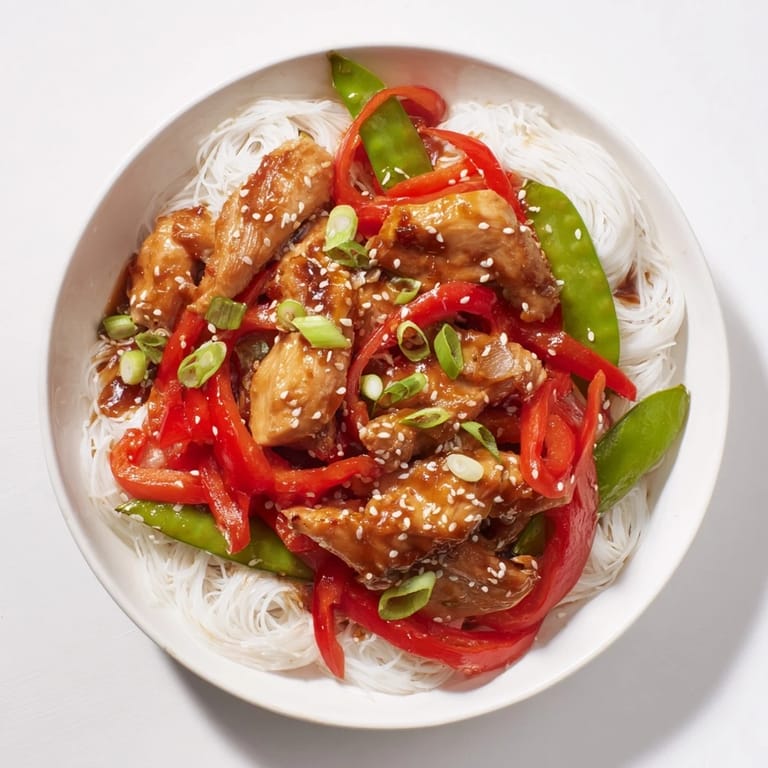
 The first time I made Mongolian chicken, I was standing in my kitchen on a random Tuesday evening with half a package of rice noodles and some chicken I needed to use before it went bad. I threw together what I thought might work, and when that glossy, caramelized sauce hit the hot pan, the smell alone told me I'd stumbled onto something special. My partner wandered in from the other room drawn by the aroma, and we ended up eating straight from the wok because waiting felt impossible. That night taught me that sometimes the best dishes come from improvisation, not perfection.
I made this dish for a dinner party once when I was nervous about impressing some new friends. Instead of stressing over technique, I just focused on keeping the chicken tender and getting that sauce right. When everyone asked for seconds and someone requested the recipe before dessert even arrived, I realized this wasn't a fancy restaurant dish—it was the kind of food that makes people feel welcome and cared for.
Ingredients
- Boneless, skinless chicken thighs or breasts (500 g): Thighs stay juicier than breasts, but either works—just slice them thin so they cook evenly and quickly.
- Cornstarch (1 tbsp): This creates a silky coating that helps the chicken brown beautifully and keeps it tender in the sauce.
- Salt and black pepper (1/2 tsp and 1/4 tsp): Season the chicken directly for flavor that goes all the way through, not just on the surface.
- Soy sauce (4 tbsp): The backbone of the sauce—use good quality soy sauce if you can, as it makes a real difference in depth.
- Hoisin sauce (2 tbsp): This brings sweetness and umami that rounds out the whole dish.
- Brown sugar (2 tbsp): Balances the salty and savory elements; you can adjust this depending on your taste preferences.
- Water (2 tbsp): Keeps the sauce from becoming too thick and helps it coat everything evenly.
- Rice vinegar (1 tbsp): A touch of acidity brightens the sauce and keeps it from feeling heavy.
- Oyster sauce (1 tbsp, optional): Adds an extra layer of umami depth if you have it on hand.
- Sesame oil (1 tsp): Just a little goes a long way—it adds nuttiness and aroma that you'll notice right away.
- Garlic and ginger (2 cloves and 1 tbsp, minced): Fresh is always better here; these are what make the sauce smell incredible.
- Red pepper flakes (1/2 tsp, optional): Add this only if you want heat—taste as you go and adjust to your comfort level.
- Red bell pepper (1): Slice it thin so it cooks quickly and stays crisp, adding both color and sweetness.
- Snap peas or snow peas (1 cup): These give you that signature crunch that makes every bite feel fresh and alive.
- Spring onions (4, plus more for garnish): Raw spring onions at the end add a sharp, clean bite that cuts through the richness.
- Rice noodles or leftover pasta (200 g dried or 3 cups cooked): Rice noodles are traditional, but honestly, leftover pasta works beautifully and wastes nothing.
- Neutral oil (2 tbsp): Use canola, sunflower, or vegetable oil—you need something that can handle high heat without smoking.
- Toasted sesame seeds (2 tbsp for garnish): These add the final touch of texture and nutty flavor that makes people ask what makes it taste so good.
Tired of Takeout? 🥡
Get 10 meals you can make faster than delivery arrives. Seriously.
One email. No spam. Unsubscribe anytime.
Instructions
- Start your noodles if you're using them:
- Boil water for the rice noodles and get them cooking according to the package instructions while you prep everything else. Once they're tender, drain them, rinse with cold water to stop them cooking, and set them aside—this is the kind of step that's easy to forget and then you're scrambling.
- Coat your chicken evenly:
- In a bowl, toss your chicken slices with cornstarch, salt, and pepper until every piece is lightly dusted. This coating is what gives you that golden, slightly crispy exterior when it hits the hot pan.
- Whisk your sauce together:
- In another bowl, combine soy sauce, hoisin, brown sugar, water, rice vinegar, oyster sauce if using, sesame oil, minced garlic, minced ginger, and red pepper flakes. Taste it—it should be balanced between sweet, salty, and savory, with a hint of heat if you chose to add the flakes.
- Sear the chicken until it's golden:
- Heat 1 tablespoon of oil in your wok or large skillet over medium-high heat until it shimmers. Add the chicken in a single layer, and don't move it around for the first minute or two—let it develop that beautiful golden crust. Stir-fry for 4-5 minutes total until cooked through, then transfer to a plate and set aside.
- Quickly cook the vegetables:
- Add the remaining oil to the pan and stir-fry the bell pepper and snap peas for 2-3 minutes until they're just tender but still have some bite to them. You want them cooked, not soft—this is where texture becomes your ally.
- Bring everything back together:
- Return the chicken to the pan, add the sliced spring onions, and pour in that sauce you made earlier. Stir everything well so the sauce coats the chicken and vegetables, then let it simmer for 1-2 minutes until the sauce thickens just slightly and becomes glossy.
- Toss in your noodles and finish:
- Add your cooked rice noodles or pasta to the pan and toss everything together until well combined and heated through. This is the moment where it all comes together and your kitchen fills with that amazing aroma again.
- Plate and garnish:
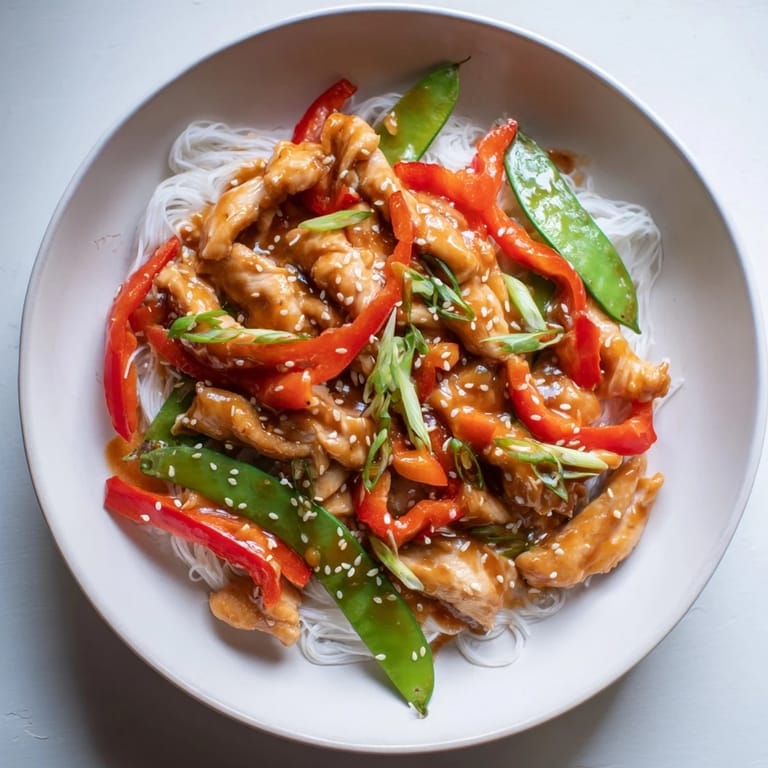
- Serve immediately while everything is hot, finishing with extra sliced spring onions and a generous sprinkle of toasted sesame seeds. The heat brings out the aroma of the sesame, so don't skip this step.
 Save to Pinterest
 I remember my sister coming home from college during winter break, and I made this for her without even asking if she wanted it. She took one bite and just closed her eyes, and in that moment I understood that food isn't really about the ingredients or the technique—it's about making someone feel like you were thinking about them. That's what this dish does for me now, every single time.
Why Rice Noodles Make the Difference
Rice noodles have this silky quality that pasta doesn't quite match, and they absorb the sauce in a way that means every strand carries flavor. The first time I made this with leftover spaghetti, it was good, but it felt different—the noodles were too firm against the sauce. Now I keep a box of rice noodles in my pantry specifically for this dish, though honestly, if all you have is pasta, it still tastes wonderful and there's no shame in that. The sauce makes up for any difference, and a good meal with what you have beats a perfect meal you never get around to making.
The Secret of the Sauce
This sauce works because it balances sweet and savory in a way that keeps your mouth interested with every bite. The hoisin brings sweetness, the soy and oyster sauces bring salt and umami, and the vinegar cuts through everything with brightness. I've learned to taste it before it goes into the pan—if it's too sweet for you, add a splash more vinegar or soy sauce. If it's too salty, a touch more water or brown sugar helps. This flexibility is what makes it feel homemade instead of formulaic.
Making It Your Own
The beauty of this dish is that it's forgiving and adaptable, which means you can make it with whatever you have and it will still taste fantastic. I've made it with shrimp when chicken was too expensive, with tofu when I was cooking for a vegetarian friend, and with baby corn and water chestnuts when I wanted extra crunch. Each version felt right in the moment, and none of them felt like compromise.
- Swap chicken for shrimp, tofu, or even thinly sliced beef depending on what's in your fridge and your mood.
- Add water chestnuts, baby corn, or broccoli for different textures and flavors that complement the sauce beautifully.
- Adjust the sweetness and heat to match your preferences—this is your kitchen, and your palate is the only one that matters.
 Save to Pinterest
 This is the kind of dish that reminds me why I love cooking—it's simple enough to make on a Tuesday, impressive enough to serve when people come over, and delicious enough that you'll find yourself making it again and again. That's really all any of us need from a recipe.
Frequently Asked Questions
- → Can I substitute chicken with other proteins?
Yes, tofu or shrimp can be used instead of chicken for different flavors and textures.
- → Is it possible to use leftover pasta instead of rice noodles?
Absolutely, leftover pasta works well, absorbing the sauce and complementing the dish.
- → How spicy is the dish and can it be adjusted?
The crushed red pepper flakes add mild heat but can be omitted or increased to suit taste preferences.
- → What vegetables work best in this stir-fry?
Bell peppers, snap or snow peas, and spring onions provide color, crunch, and freshness.
- → What type of oil is recommended for stir-frying?
Neutral oils like canola or sunflower are ideal for high-heat cooking without overpowering flavors.
- → How do I ensure the chicken stays tender?
Coating the sliced chicken with cornstarch before cooking helps lock in moisture and creates a velvety texture.